
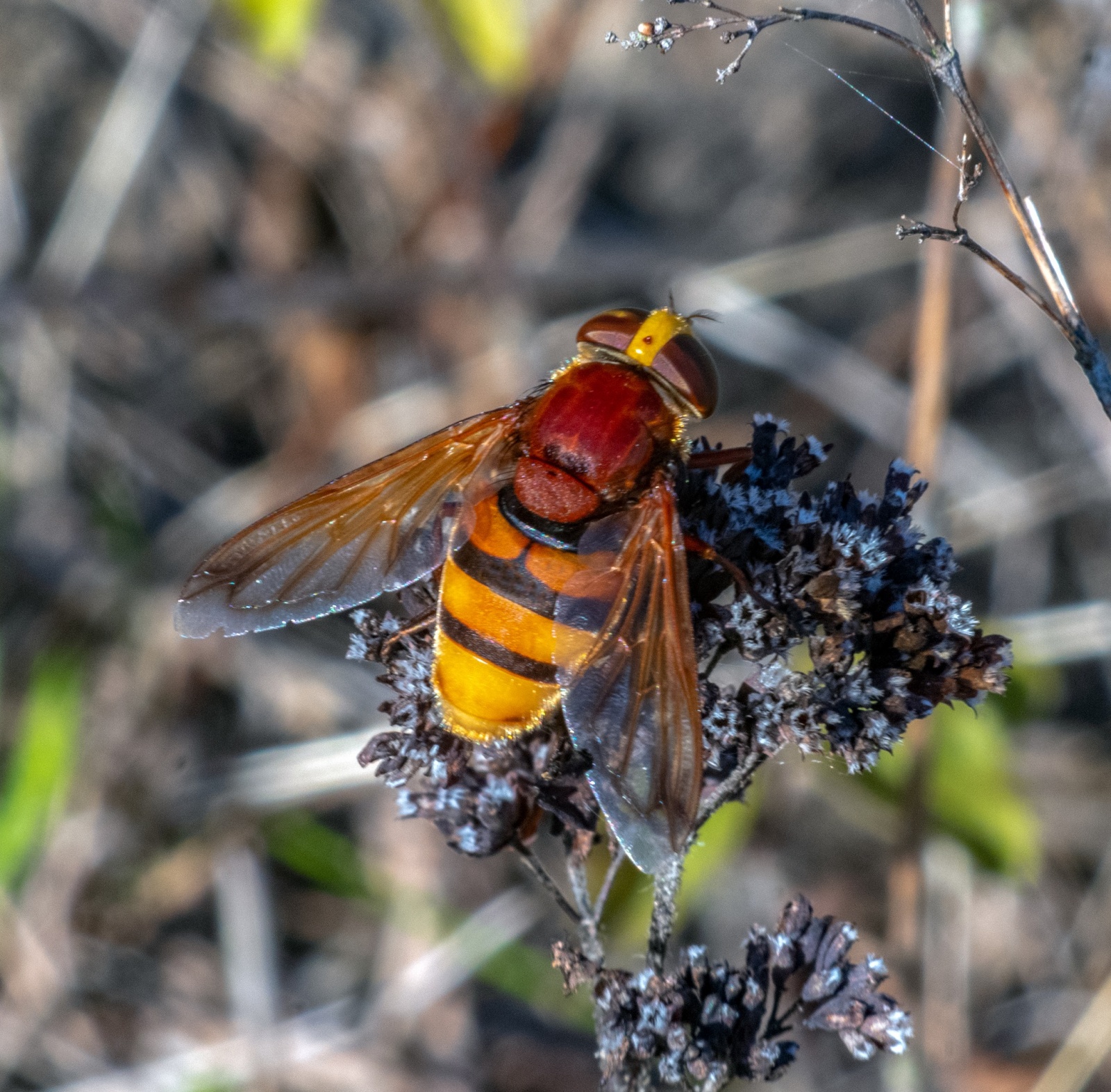
Richard Astle looks back on a mixed summer of sightings across Langdyke land. And we feature just a few of the many photos from our Facebook group page
For many, the Summer of 2024 didn’t really start until early July. Before that the rain and cloud seemed never ending and there were few evenings to enjoy the sunset and the natural world at dusk.
That inclement weather was certainly reflected in our natural world, with Matthew Hillier, our local moth expert, commenting that it was the worst summer he could recall for moth, and I am sure many would agree that was the case too for butterflies.
Equally, the poor weather, kept many, but not all, our local naturalists at home, rather than out and about so sightings of many local species were more limited too.
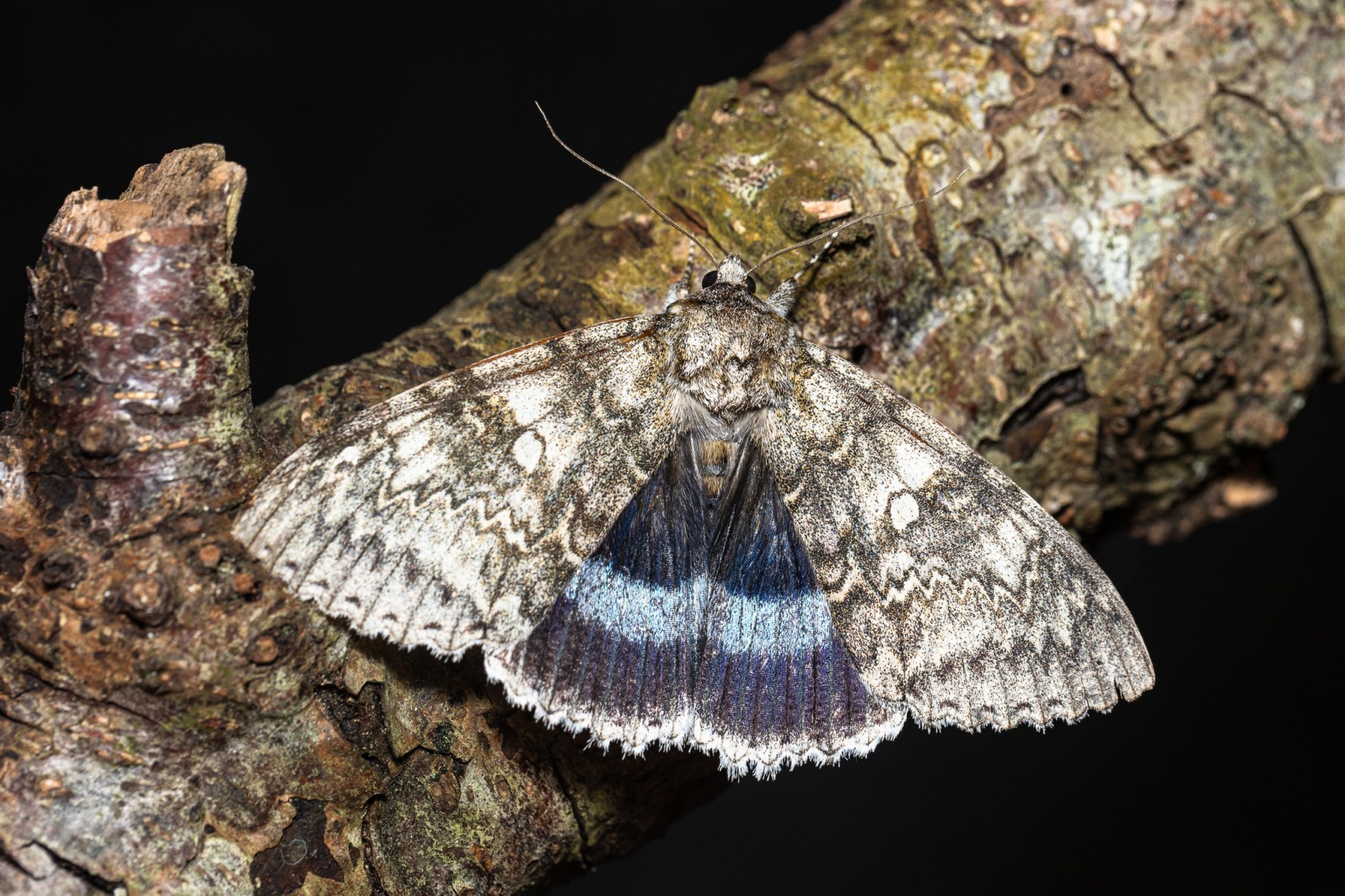
There were some Lepidopteral highlights, nevertheless: Three Current Clearwing came to a moth lure in my Helpston garden on June 18, White Spotted Pinion, Beautiful Chinamark and Oak Eggar were other notable arrivals there too. Leopard Moth appeared in Glinton on July 10 and there was a Scarlet Tiger locally on June 25. A Fox Moth caterpillar was found at Hills and Holes on August 3.
Marbled White butterfly appeared at Christ’s College Reserve during our first summer as owners of these two pits. Black Hairstreak were seen at the Hanglands on June 22, and another was found at College Cottages by Malcolm Hiller with Purple Emperor reported too on July 10.
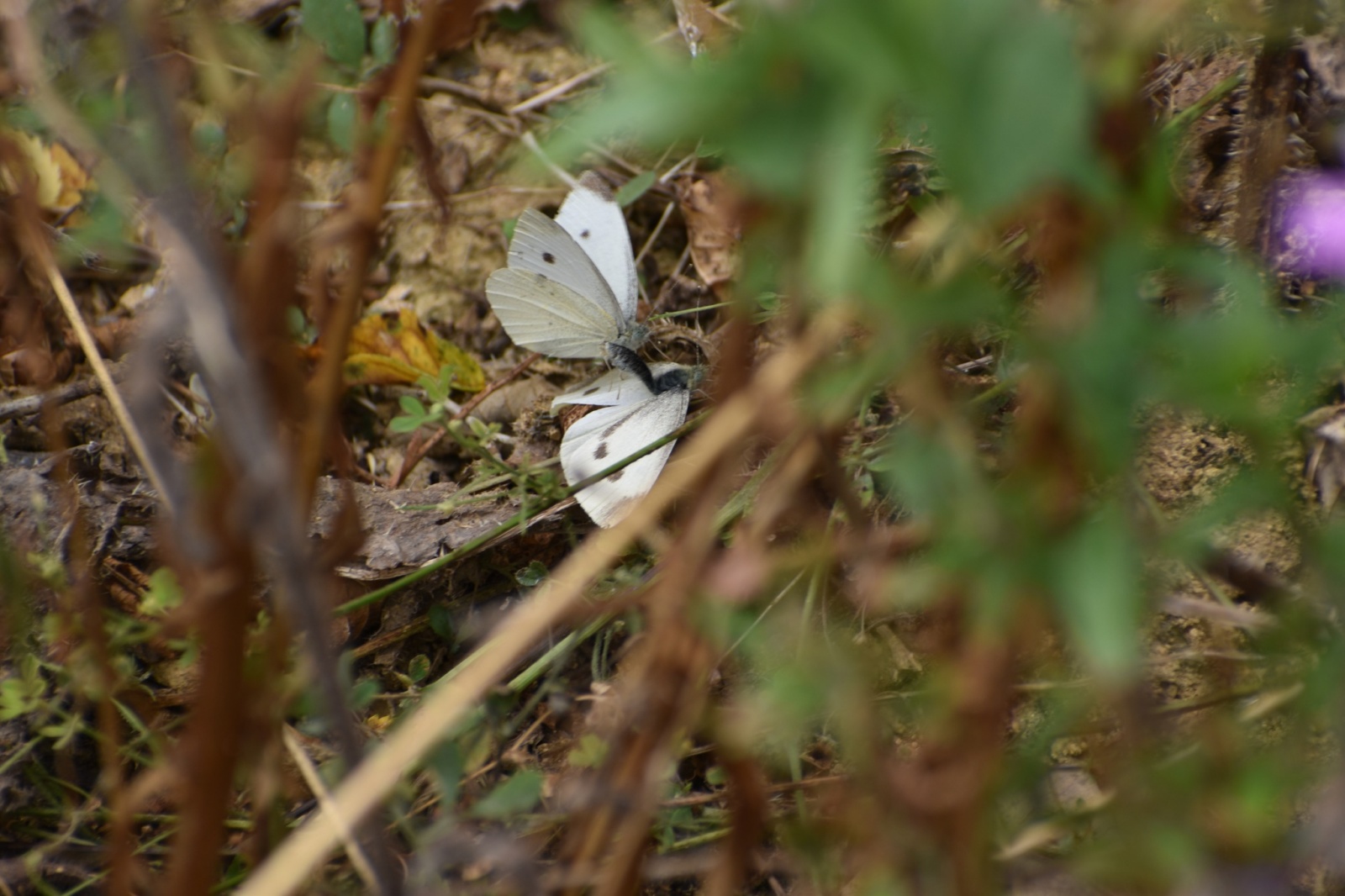
Chalkhill Blue were as ever at Hills and Holes during August. But overall numbers of butterflies were significantly lower than usual – a national trend, hopefully reflecting the weather. Silver Washed Fritillary in particular seemed much scarcer. And I only found one White Admiral in Royce Wood this year on July 28.
Glow worm numbers were well down this year, with the annual glow worm walk on July 18 producing no more than 12 individuals. Sarah Lambert and Pete Kirby did, however, turn up some unusual inverterbrates during their surveys at Christ’s College, including the beautifully named Pygmy Striped Snail Killer.
There were also Wasp Spiders on the reserves as well as again at Swaddywell. A small colony of Lesser Stage Beetle was found in the rotting trunk of the old Ash tree at Torpel.
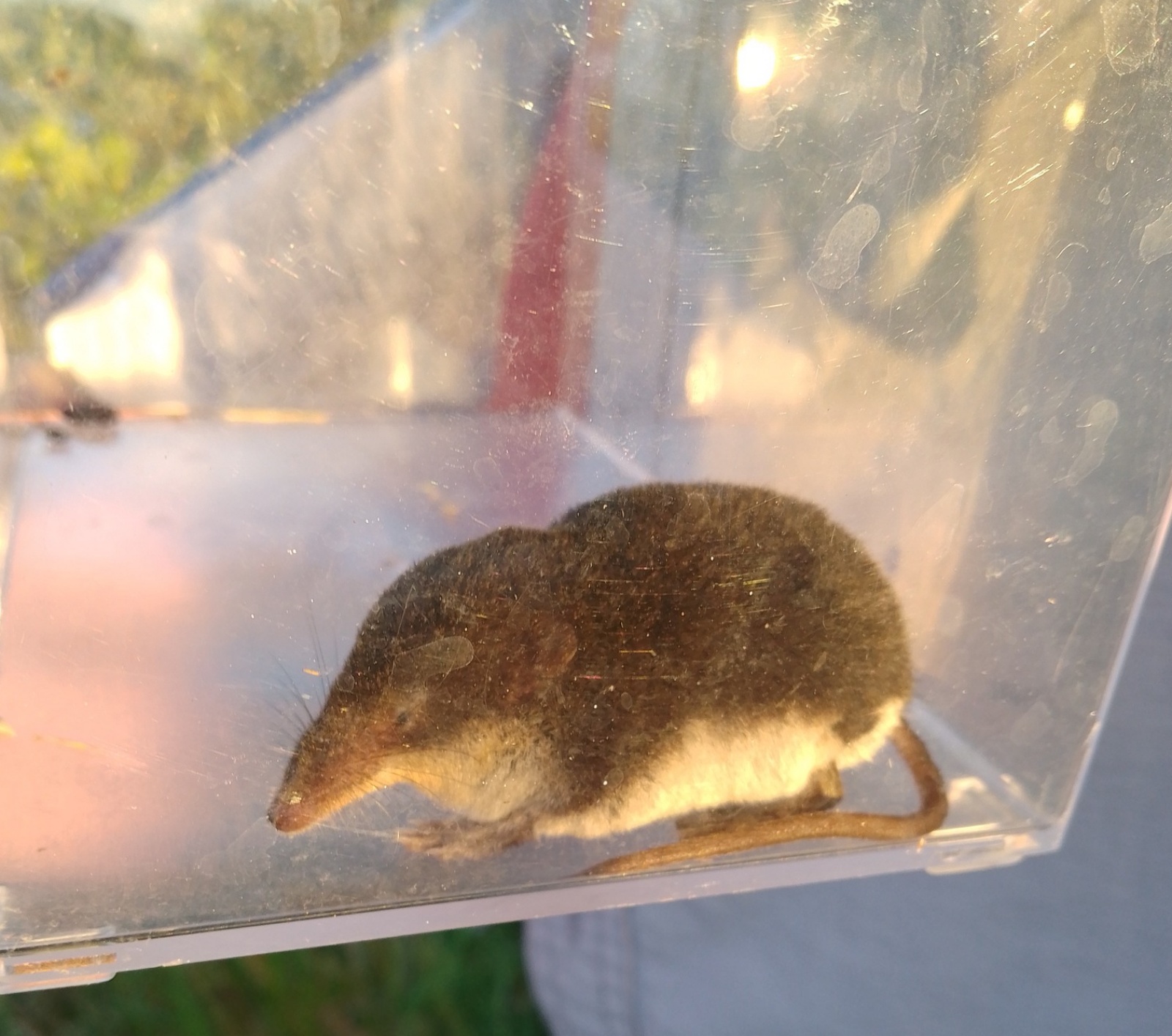
Mammal populations seemed less affected by the weather. The Roe Deer family along the South Drain continues to grow and is often seen. Steve and Liz Lonsdale found Water Shrew, Bank and Field Vole at Christ’s College during their small mammal surveys in July.
Lovely videos of a family of three Otter were taken at Christ’s College and Etton Maxey Pits in August. The bat count at St Pega’s Church, Peakirk on August 4 proved an interesting and successful evening with a count of 152.
There was a lot of bird reporting over the summer. Turtle Doves seemed to be down in numbers this year, although they were seen in gardens at both Etton and Maxey. Recent surveys suggest they have had very successful years elsewhere in Europe over the last couple of years, with an estimated increase in population of 400,000! So we could see something of a rebound soon. Partly this seems to be down to continued bans on hunting in Spain, France and Italy. Long may that continue.

Lapwings did very well on the flooded fields just north of Vergette Pit, with up to 18 chicks seen in total. And two pairs of Avocet tried unsuccessfully to nest this year on the islands in Martin Pit.
Black Winged Stilts put in another appearance this year – there were two at Silt Pit on June 22. There were two Glossy Ibis at Etton Maxey Pit on July 2.
Amazingly Hugh Wright found a Stone Curlew at Rectory Pit on July 13. There were several sightings of Osprey along the Cut, and a busy wader passage in large August, including Ringed Plover, Dunlin, Black Tailed Godwit, Greenshank.
It was another good year for orchids at Swaddywell, with the Man and Autumn Ladies Tresses doing well. Pyramidal orchids were unmissable on Etton Maxey Pits. Wall Germander was found at Swaddywell for the first time, the nearest known colony is in East Sussex!
You can email your sightings to nature@langdyke.org.uk