

Langdyke volunteer Jackie Robinson’s August report from around the reserves. She asks what are those lovely white fluffy things in the sky? And hopes for some rain soon …
Well done to the firefighters, farmers and others who have responded to the ever-growing numbers of wildfires, let’s hope that not all of them were malicious!
We do need to be more alert to litter, broken glass and clear plastics as they can all become extremely hot and start a small fire that suddenly takes off in the wind.
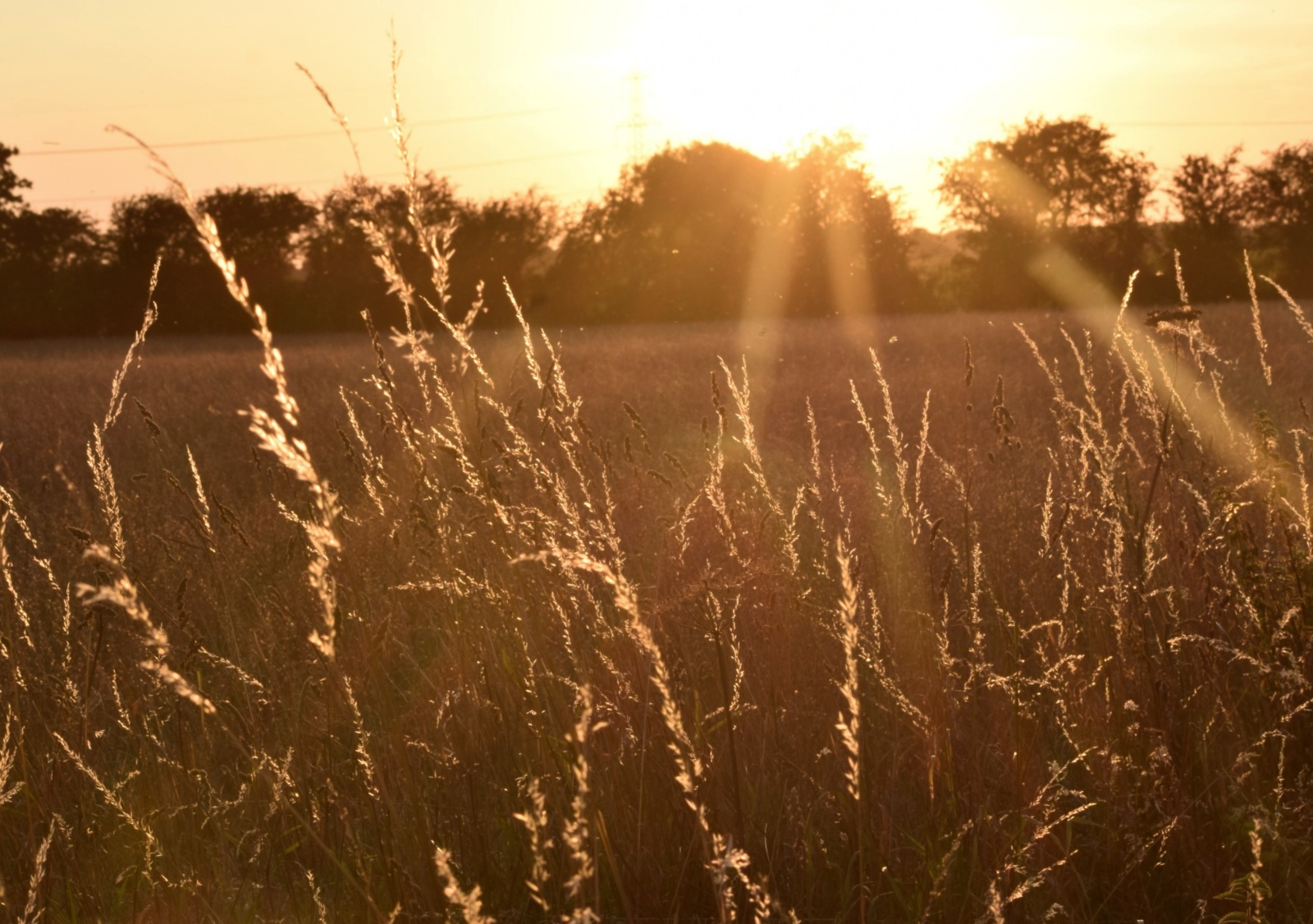
Photo: Jackie Robinson
Obviously the Langdyke reserves are vulnerable so please take extra care when visiting them. There are fire-beaters on the reserves at strategic places. If you have to use them please do take care and put your own safety first.
There are What3words displayed at various points on some of the reserves, please take a photo and use them if you have cause to phone the Emergency Services.
Swaddywell Pit Nature Reserve
Now for the good news! Three Wasp spiders have been seen at Swaddywell, but the vegetation is very sparse so please don’t stray off the path looking for them. They are in the usual area and quite close to the path, but their webs could easily be destroyed if the vegetation is trampled. Please take care!
The remains of something’s meal might have been a juvenile cuckoo. Lots of barred feathers on the ground not looking like a Sparrowhawk kill, but I suppose it may have been as it was in a nicely concealed shady place. There is one that we see now and again.
The butterfly count for the last two weeks has been slightly lower but with Common Blues joining the Gatekeepers. The number of Skippers was disappointing, but it has been overcast and very windy some days.
The leaky Cabin Pond is hanging in there – it is a medium-sized puddle a yukky green colour but there is wildlife in it. The bubbles are still coming up in places, and they are not insects coming up for air. It will be interesting to see if it fills at all if we finally get any rain. All other ponds are dry and you can see where the boggy bits were as the ground looks spongey where the plants or algae have dried up. There are no orchids showing but plenty of seed heads. We’ll have to wait and see if the Autumn Lady’s Tresses poke their heads out. I wouldn’t blame them if they had a year off!
Whilst most of the flora at Swaddywell has ‘gone over’ the Common Fleabane seems to be thriving. Naturespot quotes the following habitat conditions!! Damp habitats, water margins, wet ditches, marshes and wet meadows. Well, it doesn’t have that but maybe some water is trapped down in the pit area below ground. The Common Knapweed also seems ok, and the Marjoram is still in flower to the delight of the pollinators. Other than that, everything is looking very thirsty.
There is a lot of poo about on the reserve at the moment, but most of it looks like fox. Please be reminded that all dogs MUST be on leads at all times on the reserves where they are not prohibited, but I do wonder though how much nature you can see if you are looking at where your dog is going. Please do clear up any mess that they may leave.
Christ College Pit Nature Reserve
There is a workparty at the reserve on August 1 – Steve would be delighted to welcome you for a few hours.
An agreement has been made with Tarmac and Milton Estates to manage the two other water bodies adjacent to the existing two pits, making Christ’s a huge reserve. There is a new information board on the main gate detailing the extension to the reserve.
The water level on the reserve has dropped, as expected, but not as far as last year. Crassula is now developing in the transitional zones around the new ponds, but life in the ponds is slowly developing.
The first butterfly count on the reserve was promising, 102 individuals counted. It will be done as and when at the moment but may become a more regular count as time goes on. The records are currently for our interest only.
Angela Trotter spotted Turtle Doves in the Maxey Cut area, and one proved to be a 5year old from Kent named Georgie. If you get any good photos of the leg rings and can see the numbers, it is possible to trace their origins. More about Georgie on the website here
Other Reserves
You may or may not be aware of three reserves that do not have general public access, namely Marholm Field Bank and M’Lady’s Pond, I was aware of them but hadn’t been able to visit on the Open Days.
Reserve Manager, Mike Horne, took a couple of us on an evening visit last week. Despite the extremely dry conditions they were looking quite verdant, partly due to Mike and his nearly worn-out watering can, carefully picking out a few special plants to try and keep alive.
Marholm Field Bank was an absolute surprise, I probably drive past it 3 or 4 times a week completely oblivious to its existence, sited opposite Milton Golf Club with no public access, belonging to Highways England, is an area that is full of plants (and large cracks) that will look really nice in the spring, next year, if we get some water soon. There have been two Open Days this year that were not well attended, but do look out for dates for next year.
M’Lady’s Pond is over 200 years old and had been neglected for the last 30 years or so. Langdyke has a ten-year contract with Nene Park Trust to manage it. Work to renovate the pond has been going on and the fruits of the labour are beginning to show.
The last reserve we visited was The Paddock in Splash Lane, Ailsworth. It is not a Langdyke site. An area of grassland that is being managed to encourage wildlife and allow plants to re-colonise an area where they once would have existed. Again, Mike’s watering can is helping to keep the young trees alive. There were plenty of butterflies getting ready to roost for the evening.
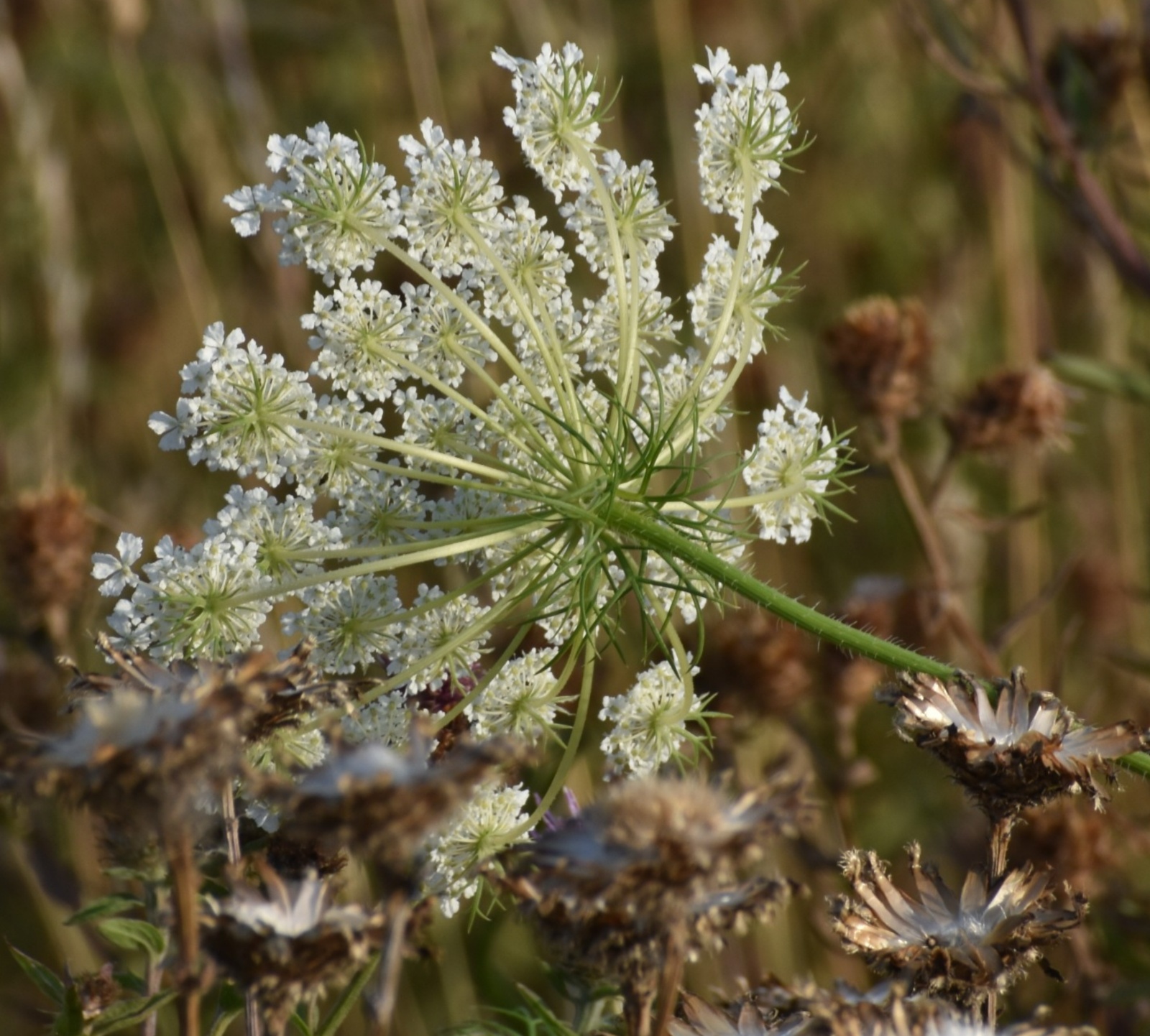
Photo: Jackie Robinson
If you have any time on a Monday you would be welcome at one of the Monday work parties which look after themEastern Reserves. All updates to LCT reserves are on the website, with maps for most of them. They are well worth a visit.
My Helpston Garden
It’s all getting a bit crispy in the back garden, a few butterflies still visiting, mostly whites and Gatekeepers with a few Holly Blues. There are a lot of juvenile birds though. Blue and Great tits, Gold and Greenfinches as well as the Robin and Blackbird families. The Robin and Blackbird adults come to the French Doors and sit and wait for suet and mealworms, if I’m not quick enough the male Blackbird will come in to find me clearing up a few dropped suet pellets and spiders on the way.
My wildflower area in the front garden is still looking okay with Knapweed, Marjoram, Valerian and Scabious and the darker Common Mallow, the butterflies make a beeline for that area, so I am painstakingly watering those pots with my watering can, it’s a bit of an effort though. I’m going for Common Fleabane next year -that seems to like the dry heat!
Have a good summer and stay safe in the heat.