
Richard Astle looks back on winter sightings across Langdyke land. And we feature just a few of the many photos from our Facebook group page
According to Chat GPT (other sources are available!), the winter of 2024-25, was fairly typical, with slightly milder conditions and average levels of rainfall and sunshine.
Tnmperatures were close to long-term norms: December highs averaged 7.2°C, January 6.3°C, and February 7.1°C, with nighttime lows hovering around freezing. Rainfall was in line with seasonal expectations—December saw about 49mm over 15 days, January 45mm across 17 days, and February was drier, with 17mm over just 10 days. Sunshine levels were also consistent with historic trends: December and January each averaged 1.9 to 2 hours of sunshine daily, while February saw an increase to nearly 4 hours.
What does this rather average winter mean for the wildlife of the Langdyke landscape? My own impressions were that it was a quiet winter for birds.
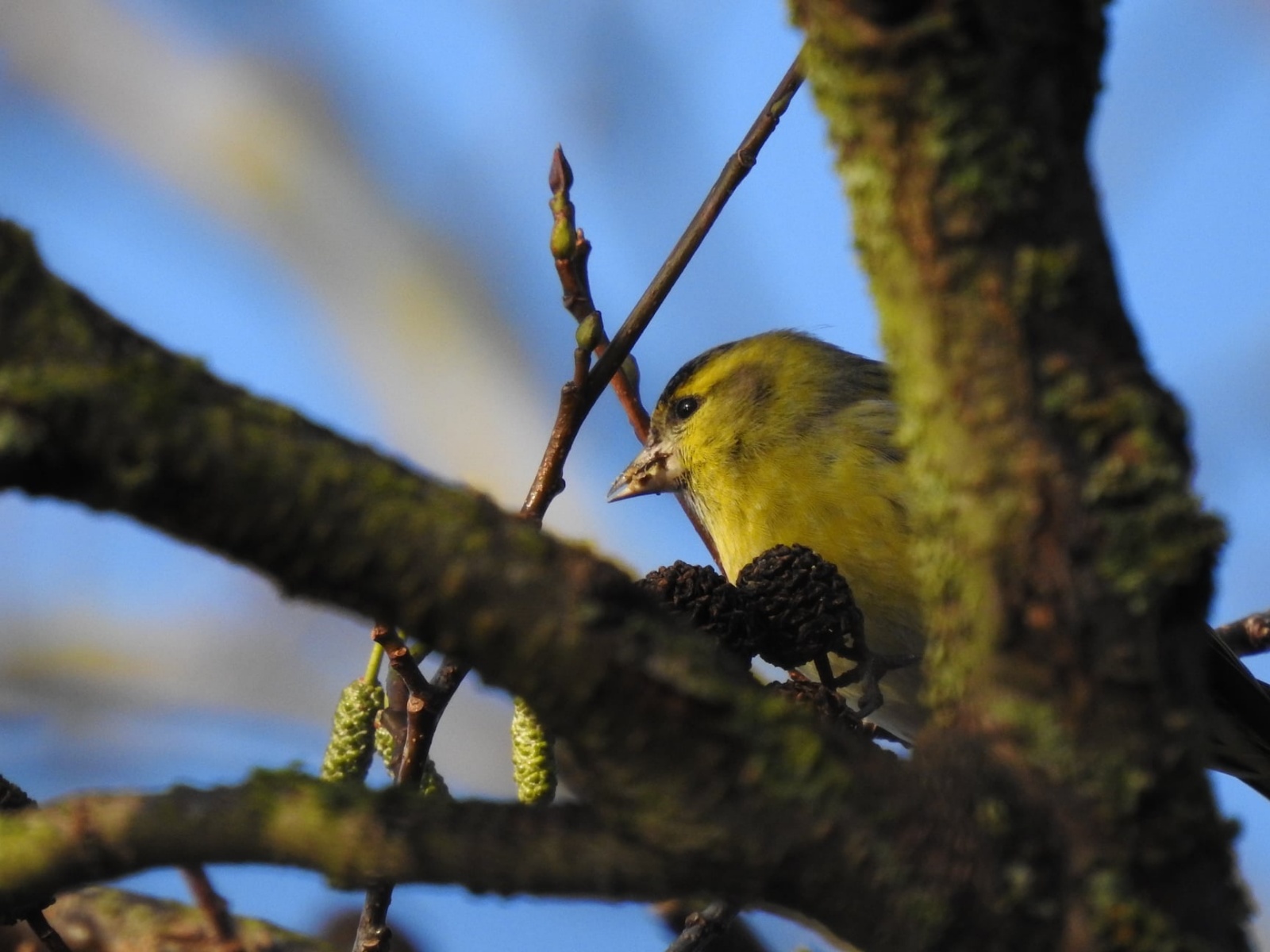
I didn’t see a single Siskin this year, although I know others did (Sarah Lambert found some along the Green Lane, Etton on January 10), and there were no reports of Red Crossbill.
Numbers of Fieldfare and Redwing seemed lower than normal and there was only a rather limited Starling murmuration in the early Winter. Bullfinch too were few and far between (actually I still haven’t seen one locally this year), and House Sparrow continued to be a bird that needs searching for (unless you live in Etton, where they continue to be easily found!). Stonechat too, seem elusive – singles were reported but nothing like the six individuals that were found along the South Drain last winter.
More positively, Barn Owl were regularly seen hunting over Christ’s College Reserve and along Heath Road, Helpston. The resident roost of corvids was very noisily in place in the woods around the Maxey Sailing Lakes throughout the Winter. Jack Snipe were found on the South Drain and on the Etton Maxey Pits Reserve in February. Goosanders could be found on Pig Jaw Pit and moving along the Cut throughout the period and there was a single Red Breasted Merganser too on February 6. A pair of Marsh Harrier was back in the area from early January,
Early in the winter, there were several reports of Pink Footed Geese flying over the Hanglands and over Helpston and the Etton Maxey pits. Eight White-fronted geese put in appearance on January 4. Ten Whooper Swans were reported on Christ’s College Pits on December 9 but there was no regular feeding flock this winter. There were reports of Grey Partridge between Helpston and Glinton and on the fields south of the South Drain.
The close of Winter was signalled in late February with the return of Oystercatcher, Shelduck and Lesser Black Backed Gulls. Long-eared owls were calling from their usual haunts and Little Owls were rediscovered in the Nunton area on January 19 by Hugh Wright, (there used to be a regular breeding pair here and on the Green Lane, Etton, but they haven’t been seen for some time – part of a wider national decline). Mandarin Duck were back in the local woods too.

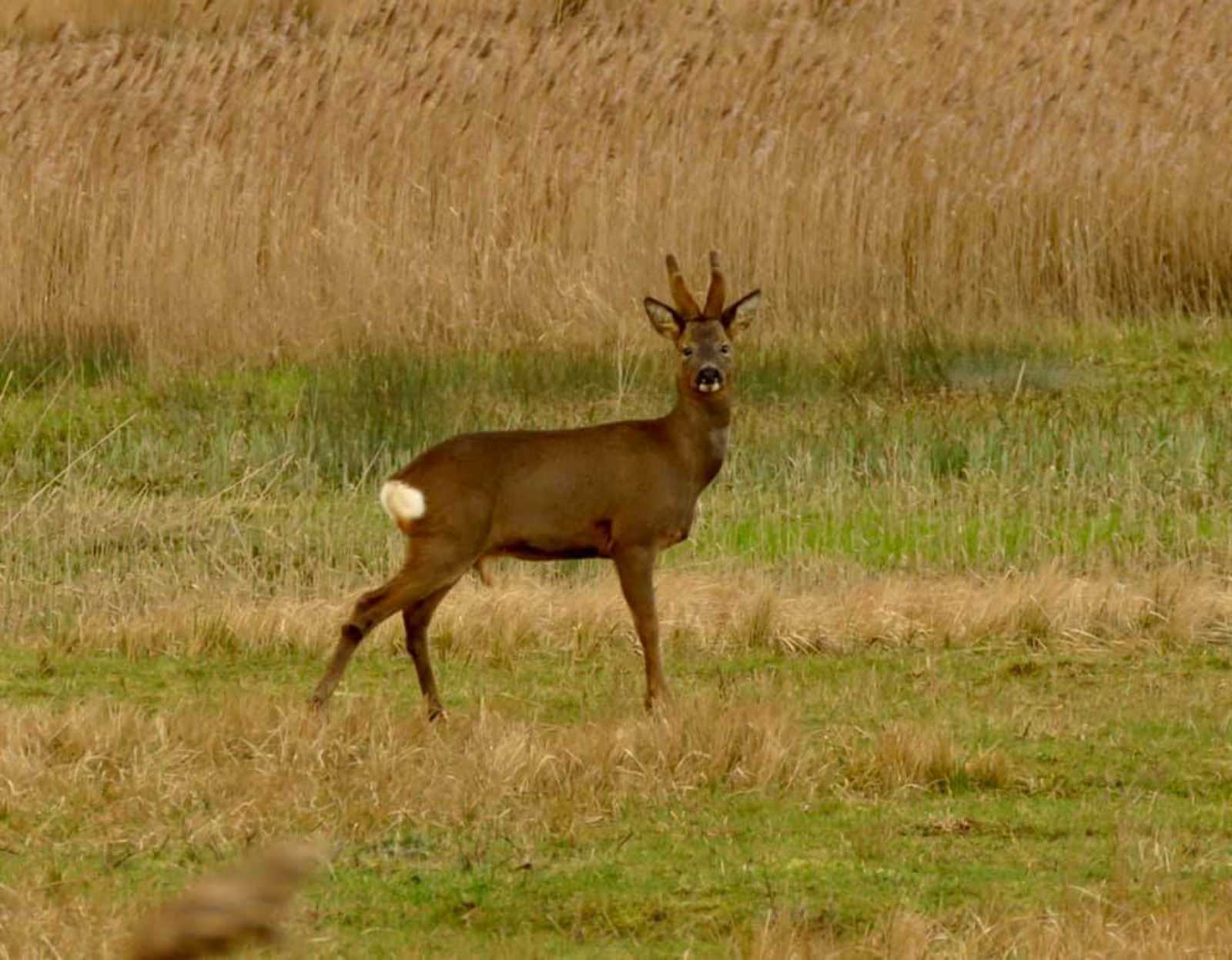
The resident Roe Deer in the Maxey Pits complex had grown to 21 members this Winter. There were reports of Weasel at EMP on January 16 and Otters on Christ’s College Reserve on February 14 (both Steve Zealand).
Moth trapping resumed in early February, with Malcolm Hillier reporting Winter Shade and Spring Usher from the Hanglands, and I had Pale and Small Brindled Beauty in my Helpston garden on February 24.
Steve Lonsdale reported Cowslip out in December and there were Lesser Celandines out on the South Drain on January 9. Blackthorn however remained blossom free in this period, saving itself for a glorious display in Spring.