

Richard Astle looks back on autumn sightings across Langdyke land. And we feature just a few of the many photos from our Facebook group page
Weather
Between September 1 and November 21, 2024, the Langdyke World experienced generally mild weather with notable fluctuations in temperature and rainfall compared to long-term averages.
September was warmer than usual, with average highs around 20C, occasionally reaching mid-20s during a warm spell early in the month. Rainfall was below average, with about 40mm recorded, compared to the historical average of 52mm, making it a relatively dry start to autumn.
October saw typical autumnal weather with highs averaging 15C, but it was wetter than usual. Over 80mm of rainfall was recorded, significantly exceeding the long-term average of 63mm. This led to localized flooding during a stormy period mid-month.
November was cooler and wetter than normal, with highs struggling to exceed 9C. Rainfall surpassed the monthly average of 55mm, influenced by frequent Atlantic weather systems. Frosty nights and gusty winds were more common than usual, with the Langdyke World looking beautiful in frost and snow in the week of November 18.
Overall, while September was notably dry, the wet conditions in October and November have brought cumulative rainfall slightly above seasonal averages. Sarah Lambert recorded (main photo above) a marvellous sunset over Torpel after the Artists in Residence exhibition in November. (main photo above).
Nature
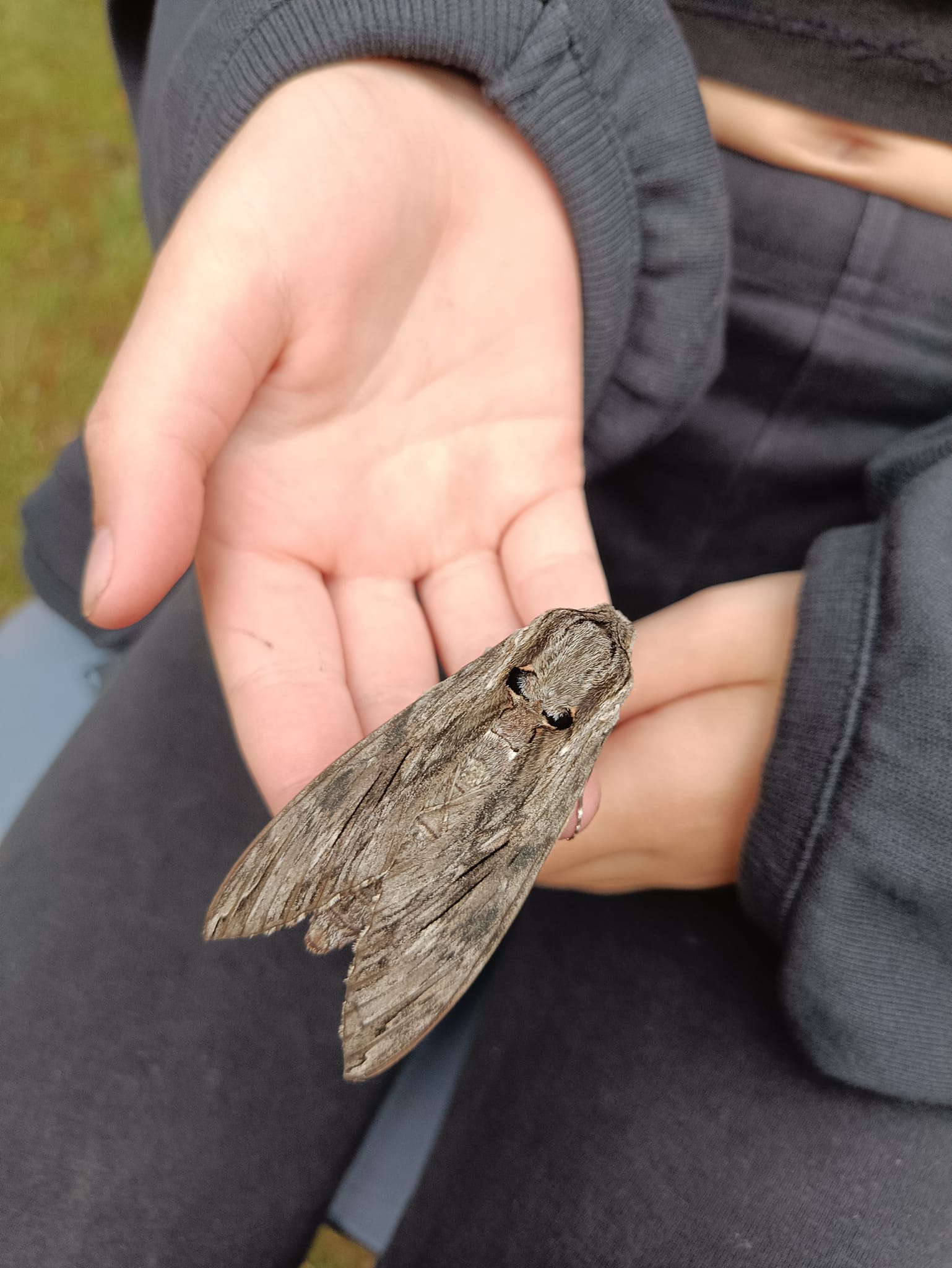
Moths featured strongly in the posting on the Langdyke Facebook site throughout the autumn. There were notable finds from Sarah and Peter Lambert’s garden in Peterborough, particularly the two Gypsy moths in early August, a Convolvulus Moth on 8 September and their first Clifton Nonpareil in late September.
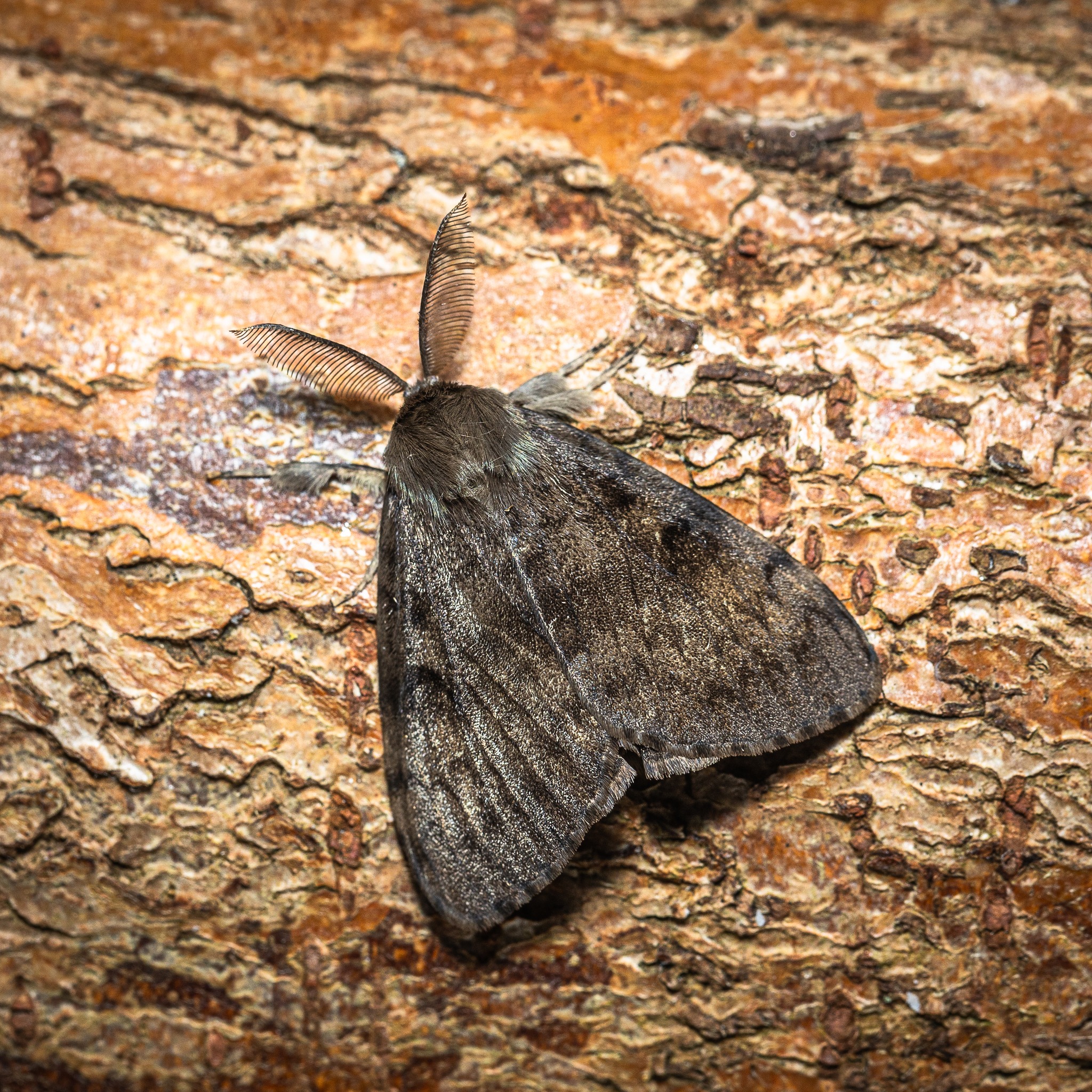
Antony Mould also found a Convolvulus Moth in his Barnack garden trap. In the same period, Richard Astle’s Helpston garden turned up two Cypress Pugs, and the rather splendid, if very small, White Shouldered Smudge. There were also several Moth Flies (flies not moths!) in Helpston. Malcom Hiller was out mothing at the Hanglands in late November finding Mottled Umber, Feathered Thorn and December Moth.
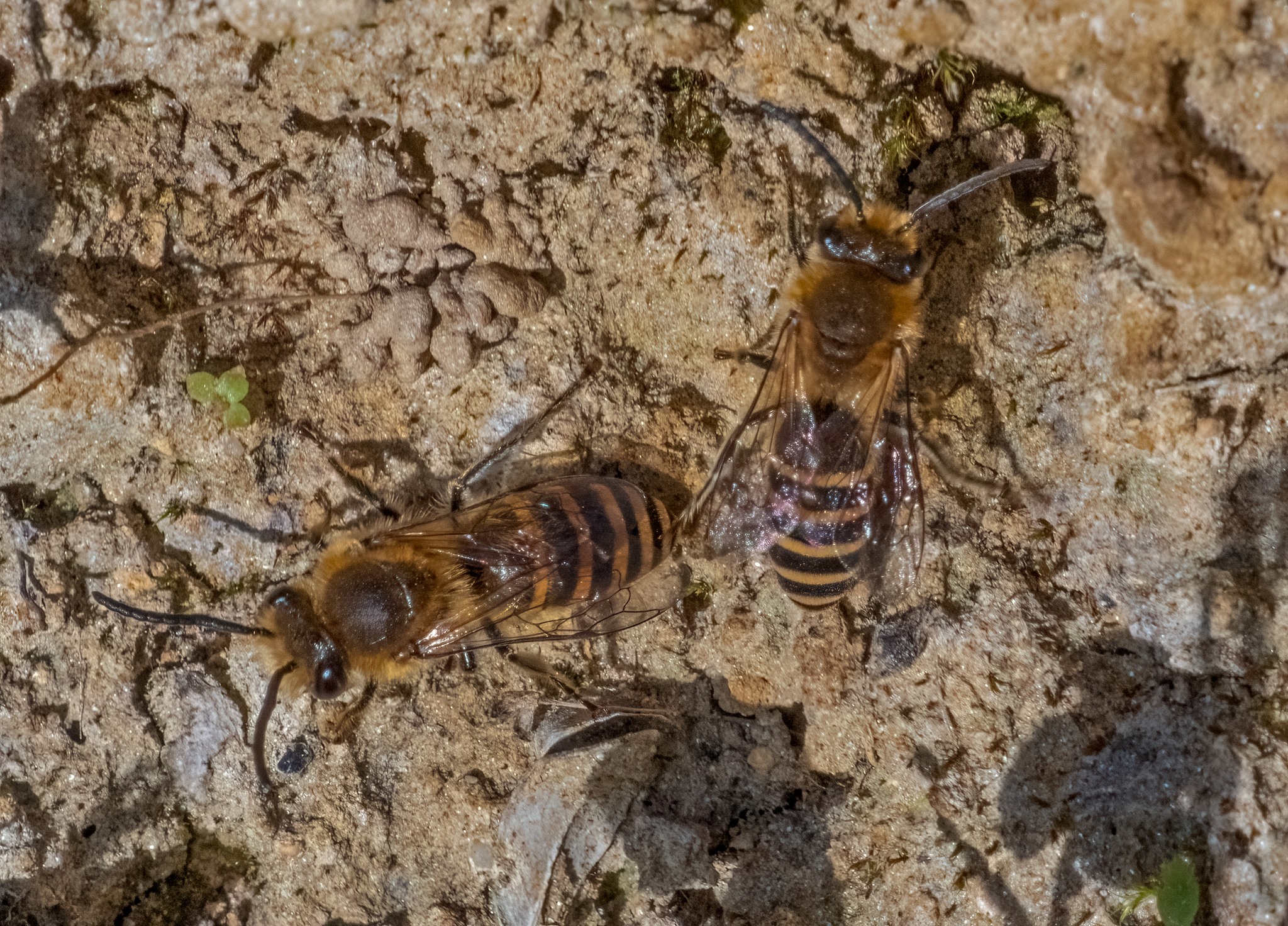
Another insect capturing attention and photos in early Autumn was the colony of Ivy Mining Bees at Swaddywell. This bee (Colletes hederae) was first recorded in the UK in 2001 and has rapidly expanded its range across southern England. It is now a common sight in many areas, especially near large stands of flowering ivy during its peak activity period from early September to November. This bee specializes in collecting pollen from ivy, making it one of the few late-season solitary bees active in the UK.
Talking of Ivy – there was, as ever, a lovely colony of Ivy Leaf Cyclamen on the Green Lane, Etton throughout October.
Southern Hawker dragonflies were found across the area throughout September, but there was only one reported record of the Willow Emerald Damselfly this year – in Steve and Liz Lonsdale’s Maxey garden. And the Wasp Spiders continued to attract visitors and photographers at Swaddywell into early October.
Autumn is of course always the season for fungi and this year, with its mix of dry weather followed by heavy rain, was a good one. The Langdyke walk around Southey Woods on October 31 found more than sixty species, including Fly Agaric, Wrinkled Peach, Beech Milkcap and Hare’s Foot Inkcap and Oak Mazegill. Fly Agaric were also reported from the Hanglands, and there were Wrinkled Peach and Magpie Inkcap in Rice Wood, Helpston.
Kingfishers were regularly reported in the Maxey Cut area throughout the Autumn too, with several sightings from the new visitor screen at Vergette Wood Meadow. Great Egret has become a regular visitor to this area too and there was an immature Spoonbill flying over Martin Pit on November 12. A rare Ferruginous Duck attracted lots of birdwatchers to Martin Pit in early September.
Late August also saw two reports of Whinchat in the fields north of Oldfield Pond. Heavy rain at the end of September/early October created a new wetland (Webster’s Washes) on the fields south of the Cut, attracting hundreds of ducks, gulls and stand out birds such as Glossy Ibis, Mediterranean Gull, Pintail, Ringed Plover, Snipe and Black Tailed Godwit.
Up to three Goldeneye settled on Martin Pit, and reports of Goosander peaked at four individuals on October 30 (Angela Trotter). Elsewhere there was a late Hobby chasing Noctule Bats over Christ’s College Reserve on October 6 and a splendid Bearded Tit entertained the work party volunteers at Etton Maxey Pits Reserve the next day.
While discussing bats, Antony Mould’s annual inspection of the boxes in Southey Woods revealed Leisler’s and Soprano Pipistrelle on October 6.
November saw an influx of Fieldfare and Redwing to the hedges around EMP and there were several sightings of flocks of Pink Footed Geese over the area. There was a national influx of Hawfinch in mid-November, with birds seen and heard locally at Etton, Maxey and Helpston.
IFlocks of Fieldfare have been reported at Etton Maxey reserve. These were photographed on the edge of the reserve by Steve Zealand

It is also important to note the birds that are hard to find now. House Sparrows seem to have declined significantly (again) this year – with birds few and far between. Etton seems to be a particular remaining stronghold.
There were relatively few mammal reports in this period, although the resident Roe Deer population was up to ten individuals by the end of November. Trail camera footage also delivered more sightings of Otter on the Langdyke reserves and there were also several reports of Weasel around Pig Jaw Pit.