

The beauty of nature is reflected in these monthly images from 2021 across Langdyke Countryside Trust reserves.
Trust members are regularly out and about across the reserves which Langdyke either owns or helps to manage – at Etton, Maxey, Helpston Bainton, Barnack and Castor Hanglands.
They illustrate the changing seasons month by month and the challenges nature has to deal with from day to day.
January
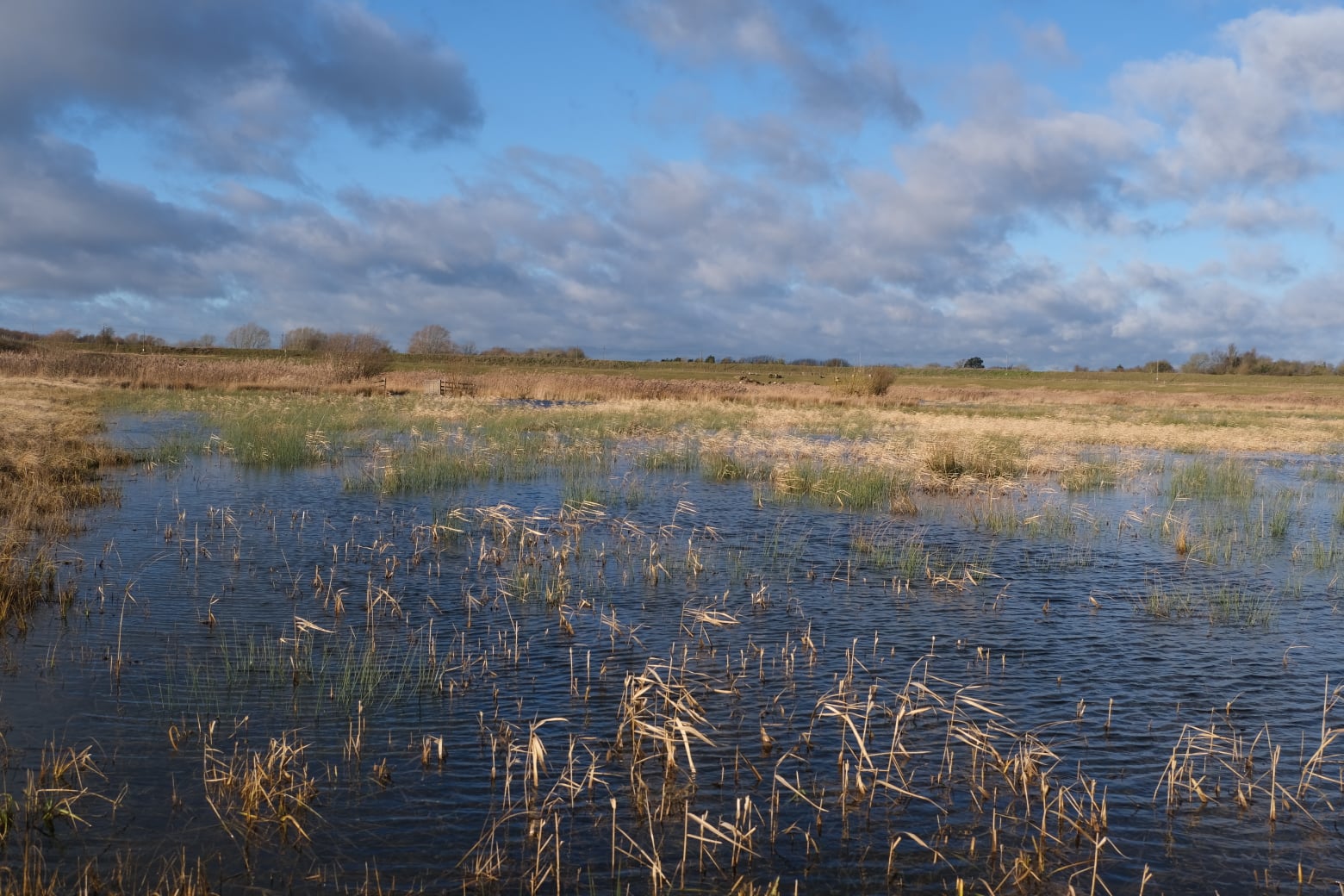
The year started with extensive flooding and the Etton Maxey Reserve found itself with even more water than usual as the image by Brian Lawrence shows. The reserve contains a large flooded area which is home to various wildlife. Water levels on the site are controlled by pumping excess water into the nearby Maxey Cut.
February
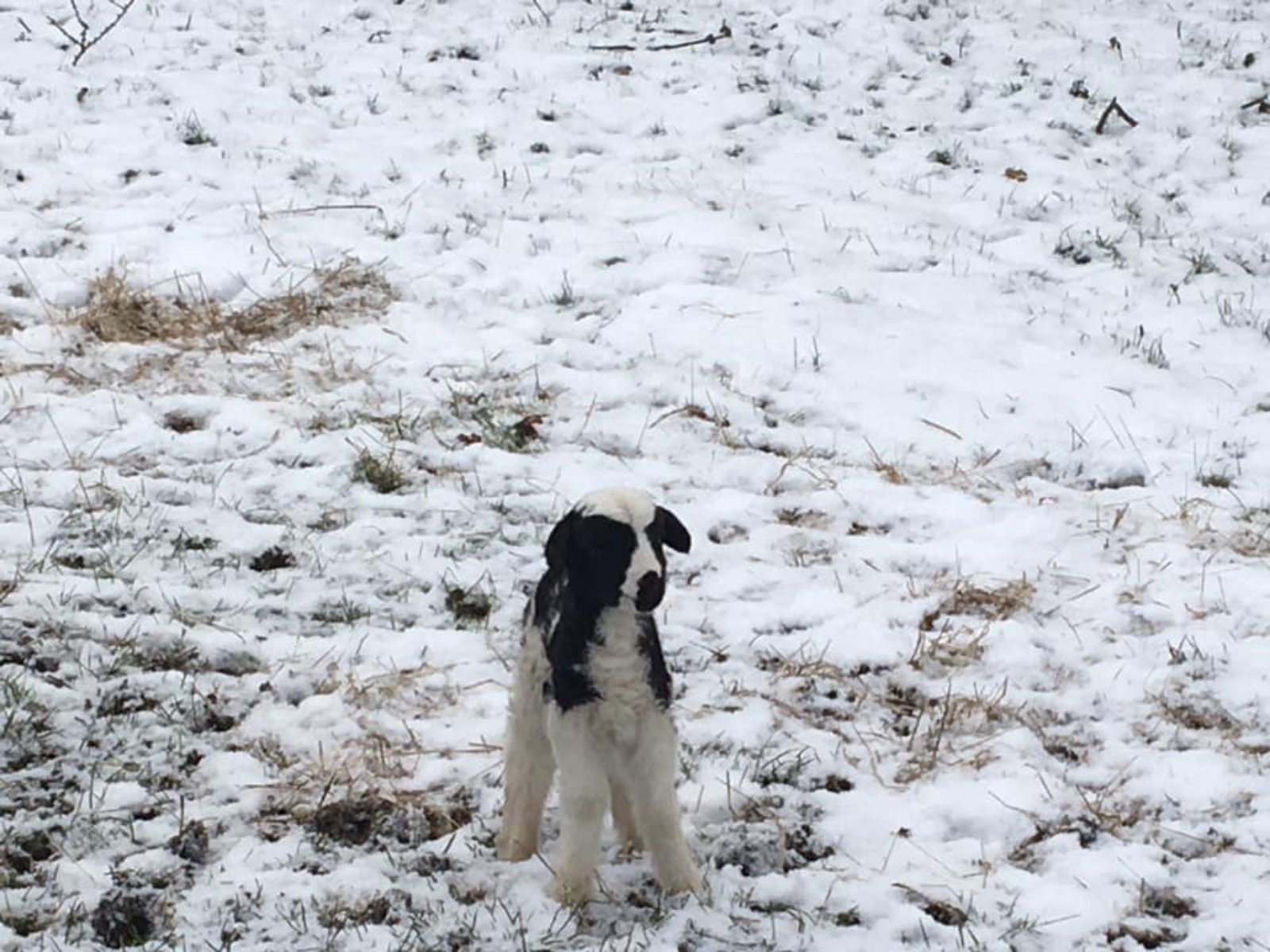
Snow on the ground, freezing conditions – not the best welcome for Langdyke’s first lamb of the year, born at Etton’s High Meadow site. Despite the cold this hardy little lamb, protected by mum, thrived and she is now happily grazing the nearby Vergette Meadow with the other ewes. The Trust has a mix of Jacob and Hebridean sheep which keep the grass under control at each of the reserves. Photo by David Rowell
March
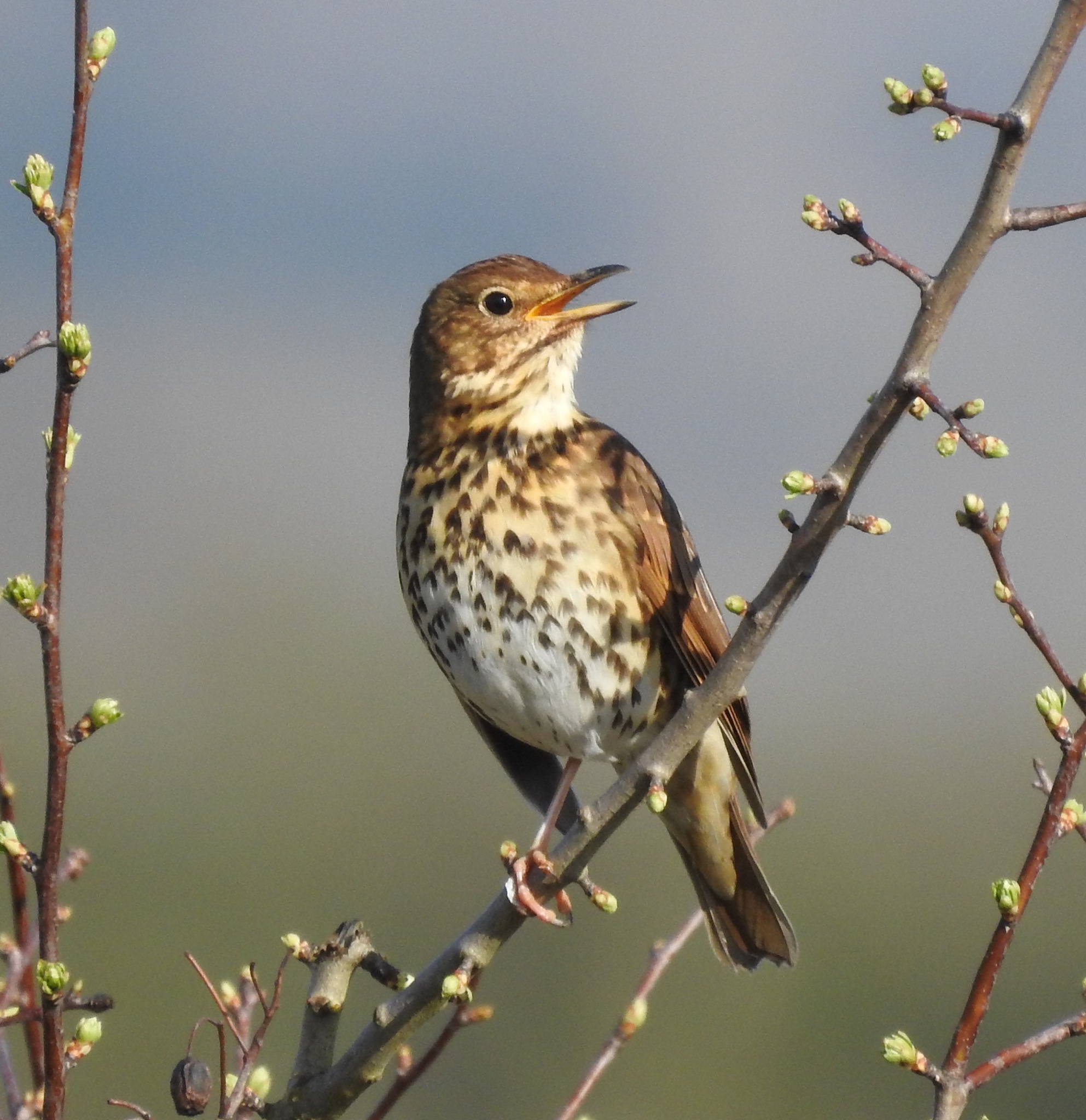
Swaddywell Pit was the first reserve taken on by Langdyke and is an important site for flora and fauna and in the summer months hosts a wide selection of butterflies. Birds are important visitors as well and Steve Zealand captured this great shot of a song thrush.
April
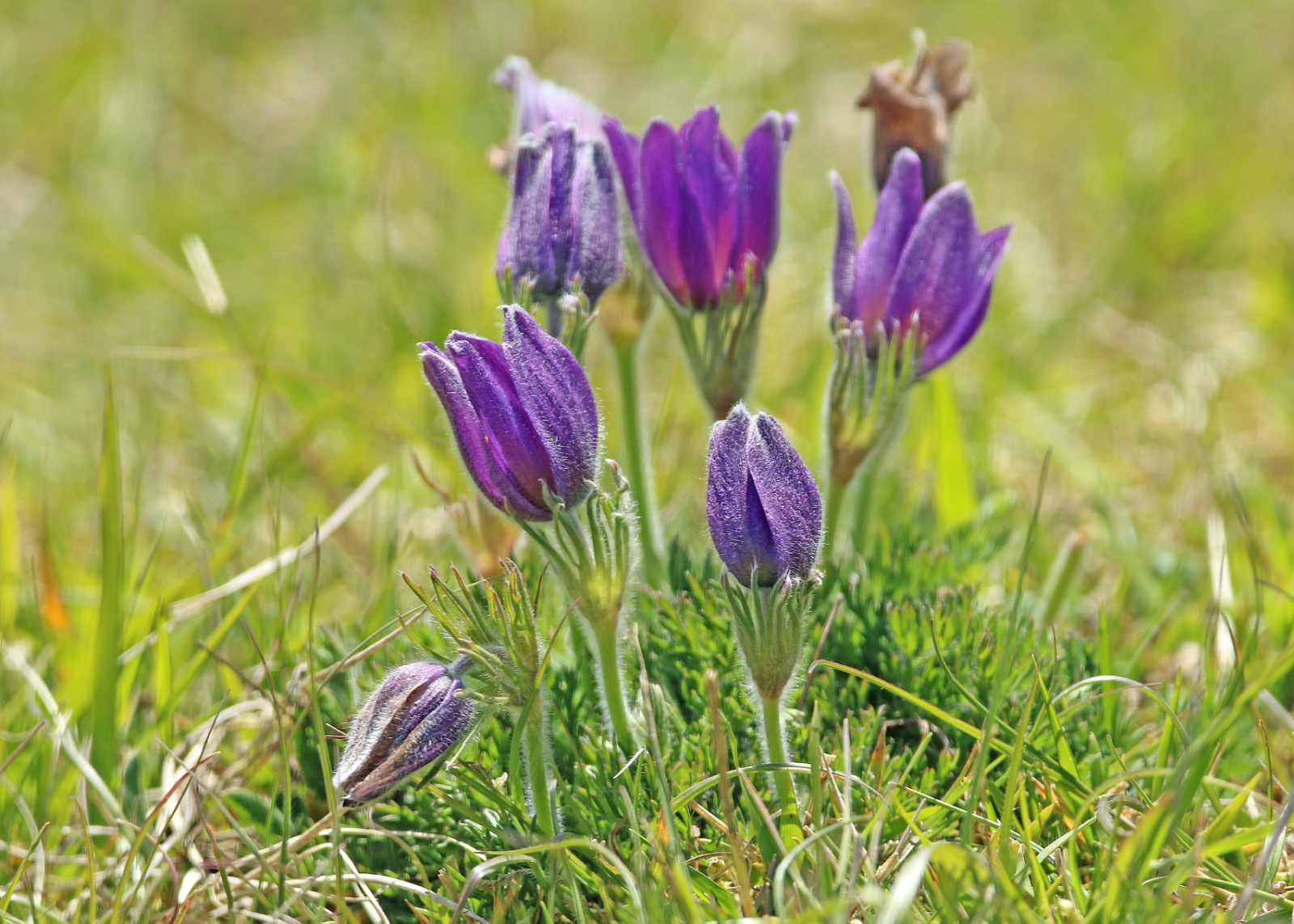
One of the most important attractions at Barnack Hills and Holes are the rare Pasque flowers. It flowers in spring, usually around April, its petals sitting cushioned on feathery leaves. It can be found on a small number of chalk and limestone grasslands meaning the ground conditions at the Barnack site are ideal. Martin Browne took this picture.
May
A common tern at the Etton Maxey site where special rafts are floated out annually to encourage the birds to breed. Steve Zealand took the photo of this bird.

June
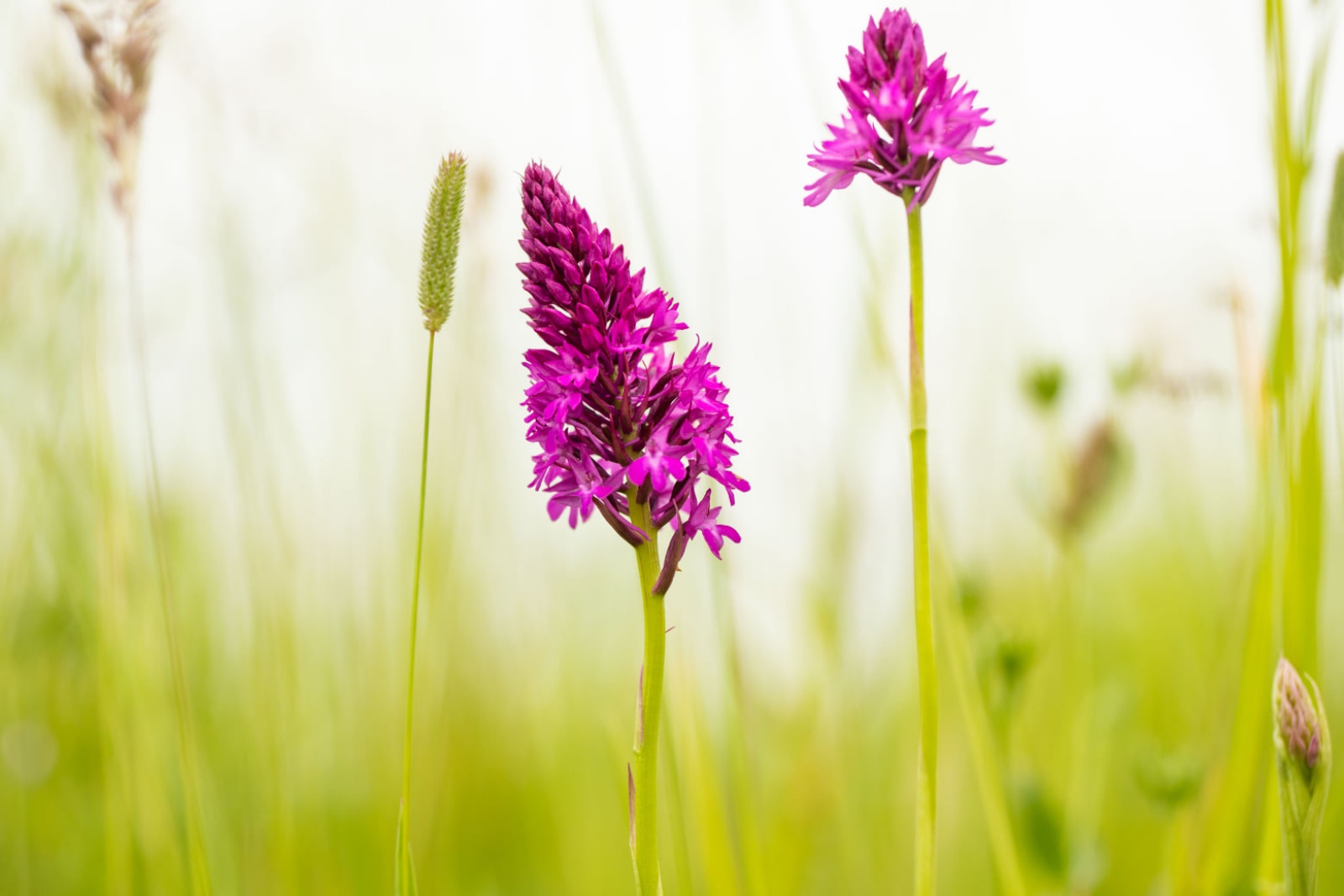
One of highlights of summer for many people is to go hunting for Pyramidal Orchids. These beautiful plants can be found on many of the Langdyke reserves – specially Swaddywell and the Etton sites. Sarah Lambert captured this one at Swaddywell.
July
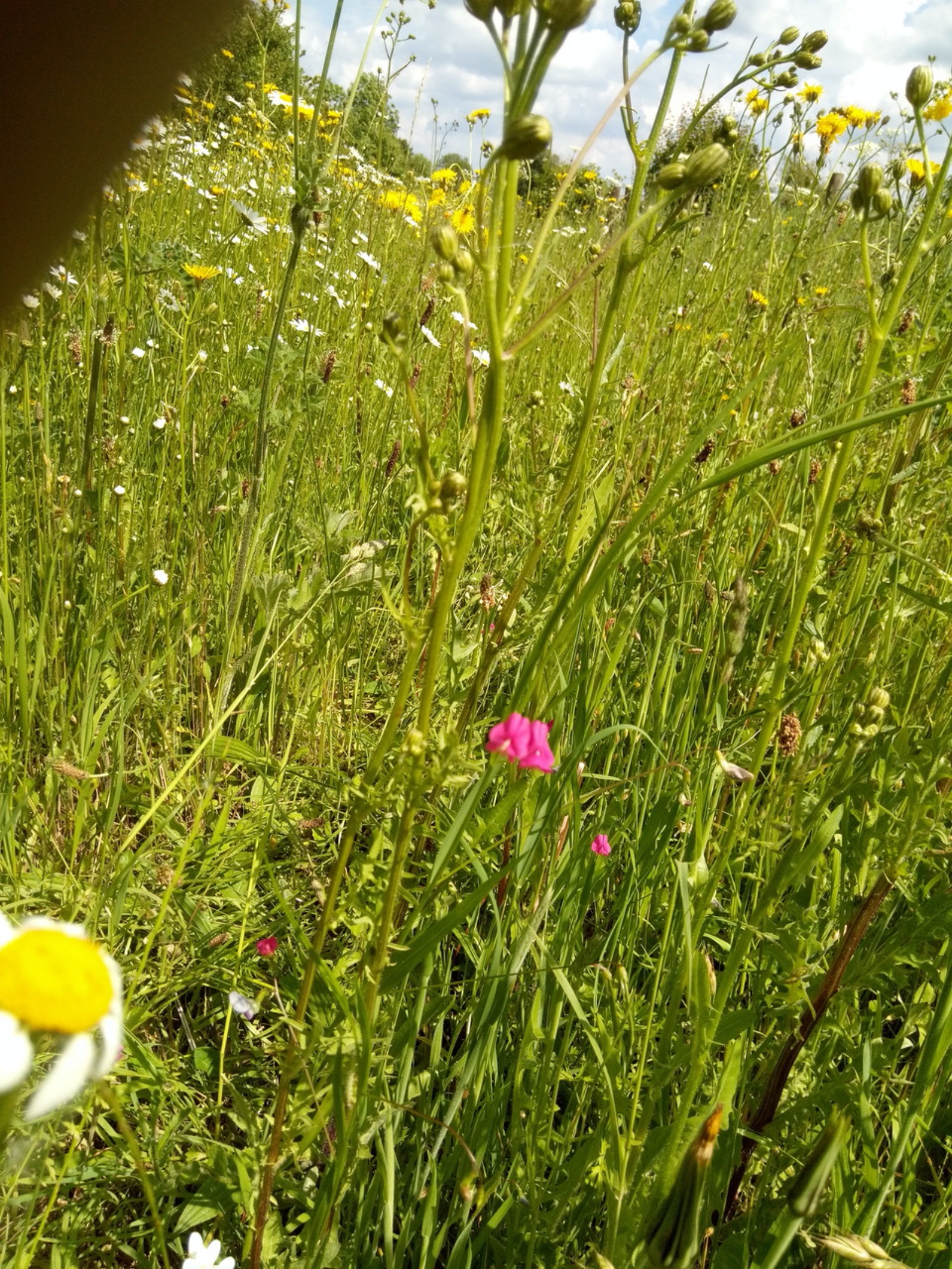
One of Langdyke’s newest reserves is the Vergette Meadow at Etton. It has gone through a lot of change in recent years, farmed for many and then the site of gravel extraction. It has been left as grazing land for the last few years and has produced a spectacular array of wildflowers in the last couple of years. In 2021 special paths were cut and the site was opened up to visitors over several weekends. This photo by David Cowcill demonstrates the wide array of flowers on view.
August
The flowering season for the Autumn Lady’s-tresses – a rather dainty and beautiful plant that is classed by the experts as ‘near threatened’. Photographer Paul Young found this specimen at Swaddywell

September
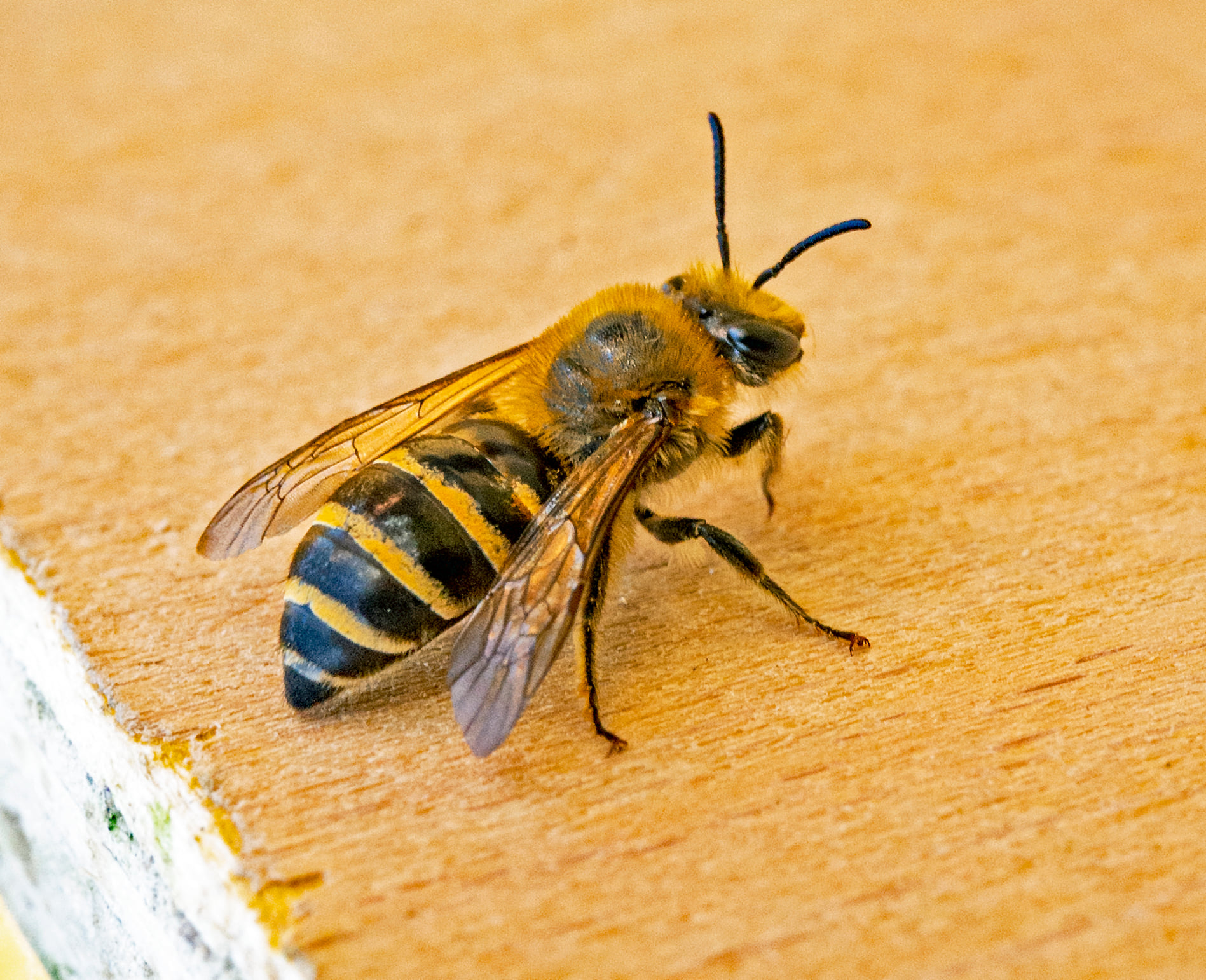
Here’s a relative newcomer to the nature scene. Ivy mining needs were first spotted in the UK in 2001. They are seen in autumn – coinciding with the flowering of Ivy. This bee was part of a colony seen by Duncan Kirkwood.
October
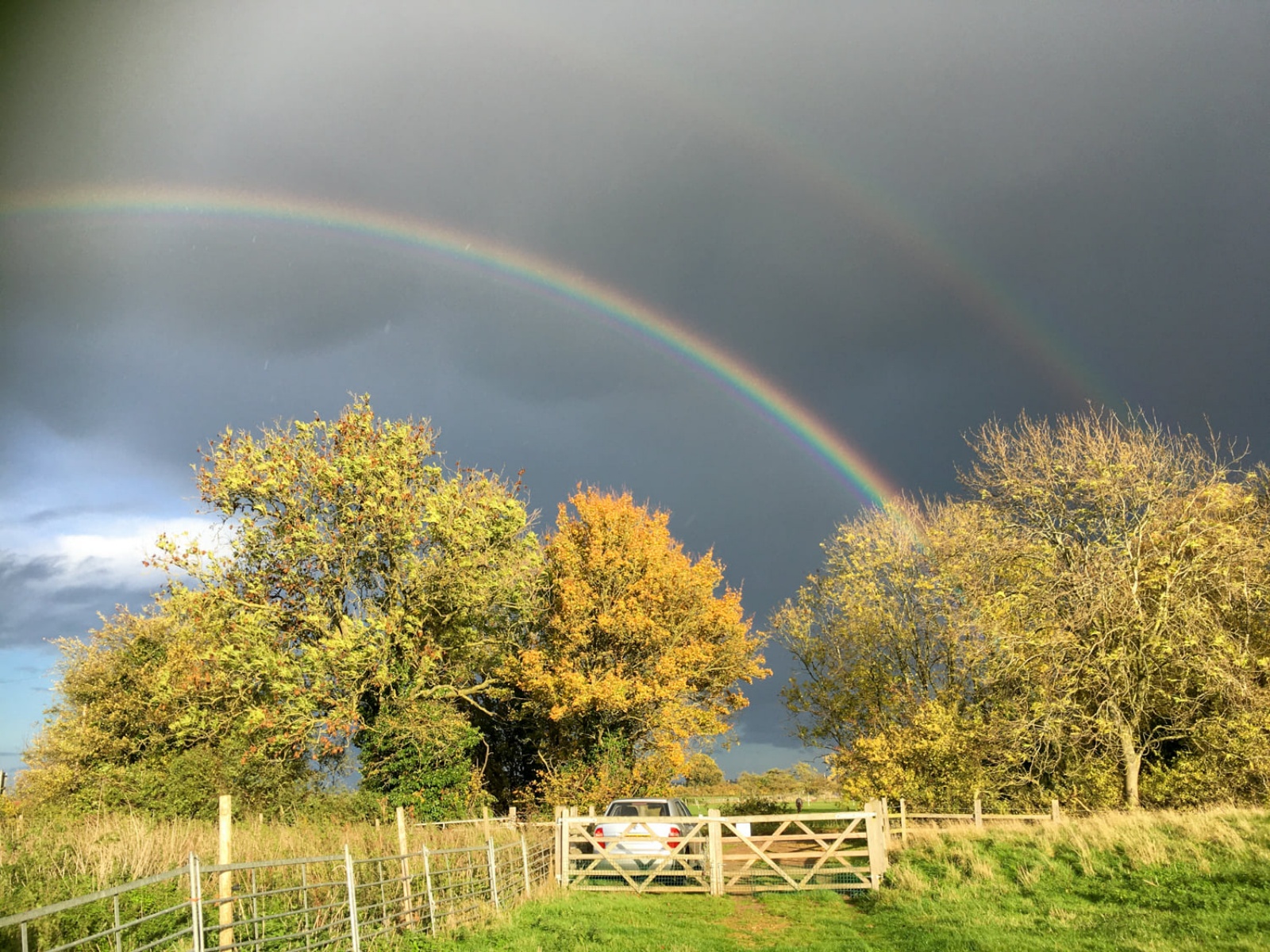
The beauty of nature captured here by Kathryn Parson’s – one of Langdyke’s artists in residence – during a visit to the Torpel site.
November
The Bittern – a secretive bird which is very difficult to see as it moves through reeds at water’s edge looking for fish. It makes a loud booming sound. Photographer Dave Roberts took this great shot of a bird in flight from the south bird hide at Etton Maxey.

December
A month of cold, dark nights – but the hunt for food still goes on. Sarah Lambert took this magnificent shot of a barn owl out looking for dinner at Etton.
