
Here’s some advice on how you can start gardening for wildlife and do your bit to help create Langdyke’s eighth nature reserve …

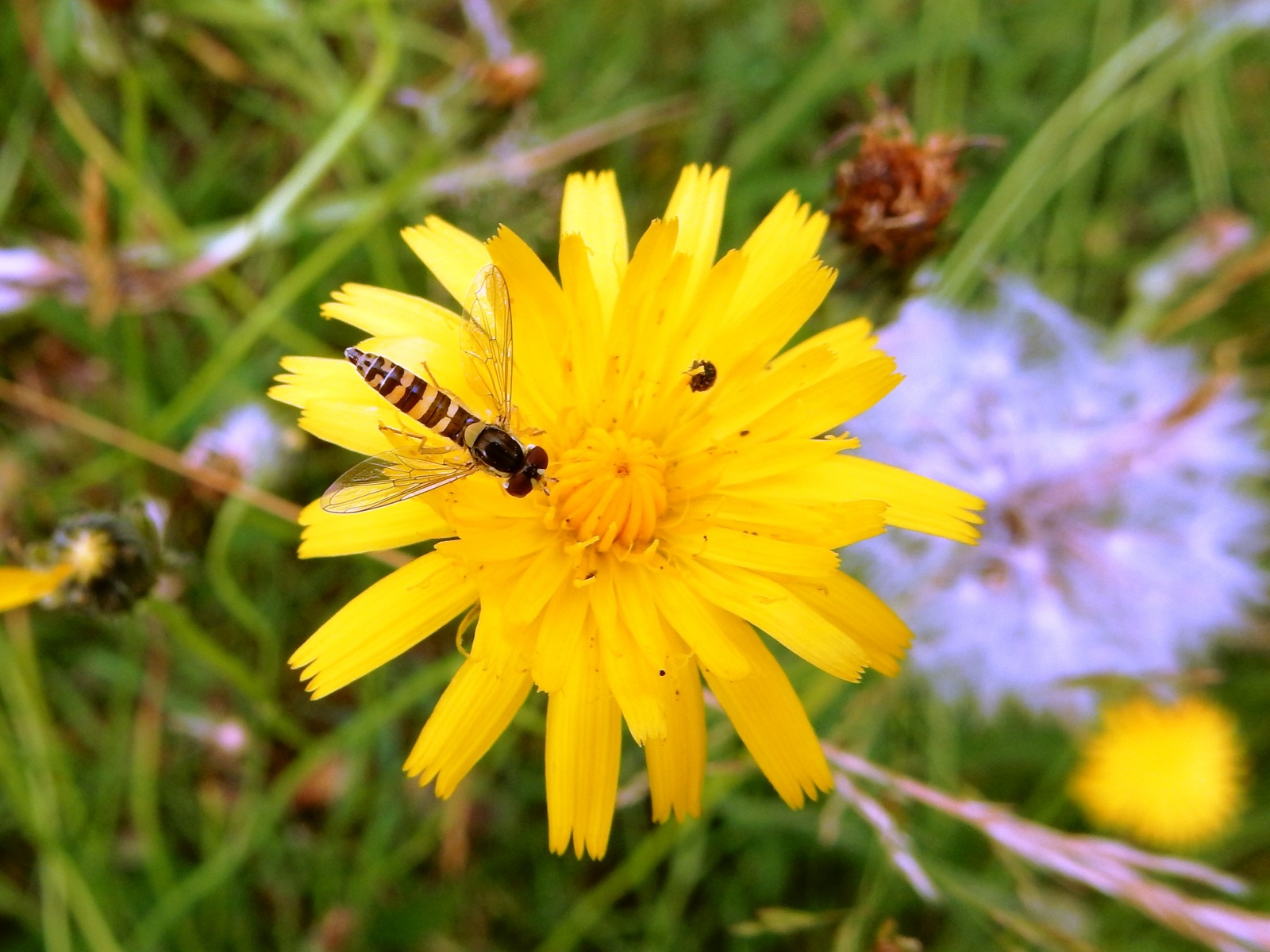 Welcome, the hardest step in any project is deciding how to start. This should give you the information and confidence to choose a project that works well for your very own corner of the Langdyke Community Nature Reserve.
Remember, you can build things up gradually and improve year on year, so don’t feel you have to do everything right away.
Any improvement, however small, is still an improvement and once you have got the bug (excuse the pun) then taking on bigger and better projects will come naturally.
For a basic introduction to wildlife gardening please watch this video, and for more videos from us about wildlife gardening and more please check out our YouTube channel here.
Easy projects:
- Plant wildlife friendly plants: Not all plants that look great are beneficial to wildlife, but there are loads of plants which look good and are also brilliant for wildlife. So, if you have a space or need to plant something new then make sure it is something which helps wildlife. Planting up some wildflower seeds can be done in any size of plot, from a plant pot to a whole meadow. To find out more about wildlife friendly plants from the RHS click on one of these 3 links: General, plants for pollinators, plants for bugs.
- Save those leaves: Pile up leaves in the autumn in sheltered spots to create useful habitats.
- Let the grass grow: Just by reducing your lawn cutting regime to once a month and not cutting some of your lawn you can bring real benefits for nature and you do even save time! For more information, please click here.
- Feed the Birds: Birds are everywhere, but many populations are in decline, putting out food helps the birds, and you will get the benefit of an increased number of visitors to your portion of the nature reserve. For general information about feeding the birds please click here. For a video on how to set up a bird café please click here.
- Save your dead wood: Instead of removing deadwood from the garden, create a wood pile or a scrub pile. For information on how to make a wood pile click here.
- Put up a bird or bat box: Easily available to buy or if you want a more tricky task you can make one yourself, for information on bird boxes click here or bat boxes here.
- Create a hedgehog highway: Allowing wildlife to access our gardens is a big step towards helping them. Fences are so good now that animals which cannot fly really struggle to move between gardens. For more info click here.
- Cut out the pesticides: pesticides kill many beneficial insects and harm other wildlife in the process, in a healthy wildlife friendly garden nature will find a balance.
- Put up a bug house: They are fairly simple to make and provide a good spot for all bugs and particularly bees. More details on our website here
More tricky projects:
- Build a pond: Remember they can be very small and still be very beneficial for more information please click here. More details on how to build a simple water area on our website here
- Make a hibernaculum: Basically, a place for amphibians and reptiles to spend the winter. For more information, please click here, here or watch this video.
Best places for general wildlife gardening advice and projects:
- Gardening for Wildlife by Adrian Thomas, a fantastic book!
- Wildlife trust website: click here.
- RSPB website: click here.
- Wildfowl and wetlands trust, for water-based ideas: click here.