
Richard Astle reports on nature sightings in August
I am sure we will all long remember August 2026, a month of intense heat and little or no rain, until the final week. It made for some nice evening and early morning walks on the Langdyke reserves and across the wider John Clare Countryside, but for most of us anything in the middle of the day was just too hot.
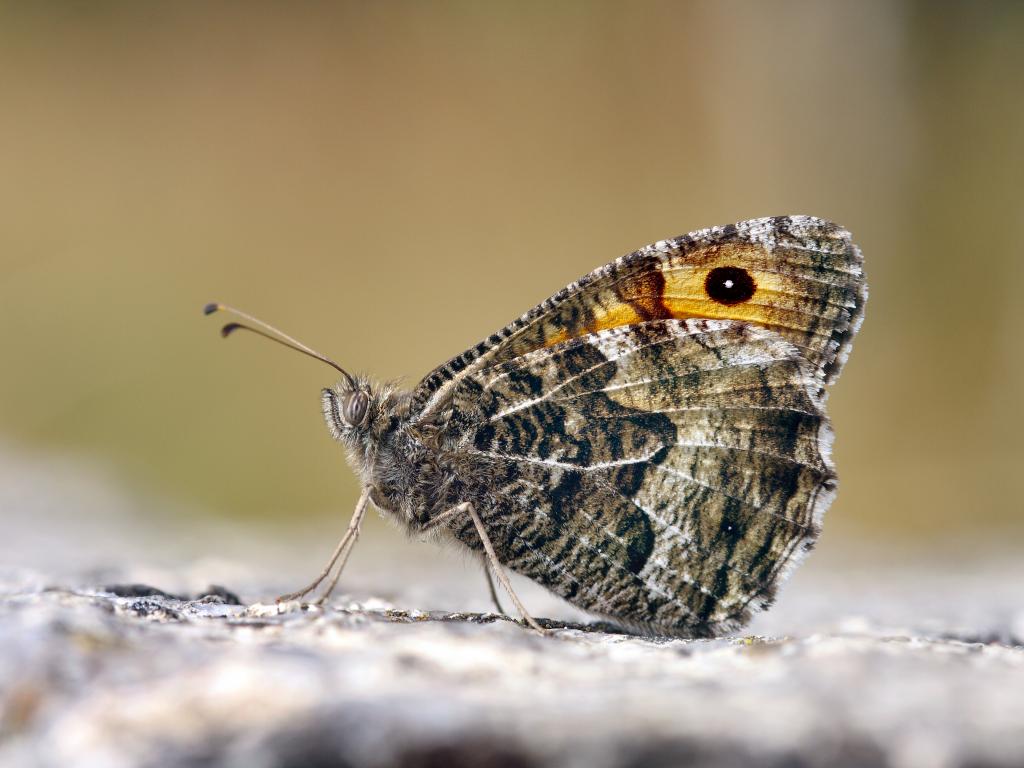
It was, nevertheless, an excellent time to be out and about. Despite the heat there were plenty of butterflies and dragonflies on the wing, including Small Red Eyed Damselfly at Christ’s College Nature Reserve and Migrant and Southern Hawkers across the area. Common Blue butterflies seemed to be having a good season, as did Brown Argus, and there were three reports of Clouded Yellow Butterfly from Webster’s Field, Etton. But the most astonishing report of all was the Grayling butterfly found by Chris Lines on August 10 at EMP – a first, not just for the reserve, but for the wider area. (note: the image of the Grayling Butterfly above is a file shot).
It’s amazing what you can find in a moth trap. On August 1, I found a Eutanyacra picta (an ichneumon wasp) in mine, apparently only the second ever record for the country. Mark Asplin found a beautiful Striped Hawkmoth on his front doorstep in Maxey on August 6. Many Langdyke members reported Humming Bird Hawkmoths from their gardens.
The beautiful and slightly fearsome Wasp Spider turned up again at the usual spot at Swaddywell (Neil Malton), and was also found, for the first time, at Etton Maxey Pits on August 24. Sarah Lambert found a Scare Fungus Weevil on the large tree trunk that blocks the entrance to the Green Lane, Etton.
Marsh Harriers were in the air over three sites in mid-late August, confirmation of successful nesting on two of the Langdyke reserves and at a third local site, with at least five young fledged.
Elsewhere, there was a Mediterranean feel at Frank’s and Rectory Pits, with up to 38 Little Egret and three Great Egret on show. Waders started to show up mid-month on their way south, including four juvenile Ruff on August 22, with Green, Wood and Common Sandpiper, Snipe, Greenshank and Dunlin also seen across the Tarmac workings. Common Tern started to disappear from Pig Jaw pit about August 22 after a successful breeding season on the islands in the pit, with over 50 young raised. A single White Winged Black Tern appeared there briefly too on August 11.
Turtle dove have not been easily found this year, which suggests a further reduction in numbers, perhaps, but a family group of seven were near Etton on August 7. A Little Owl nearby was a first in this area for several years.