
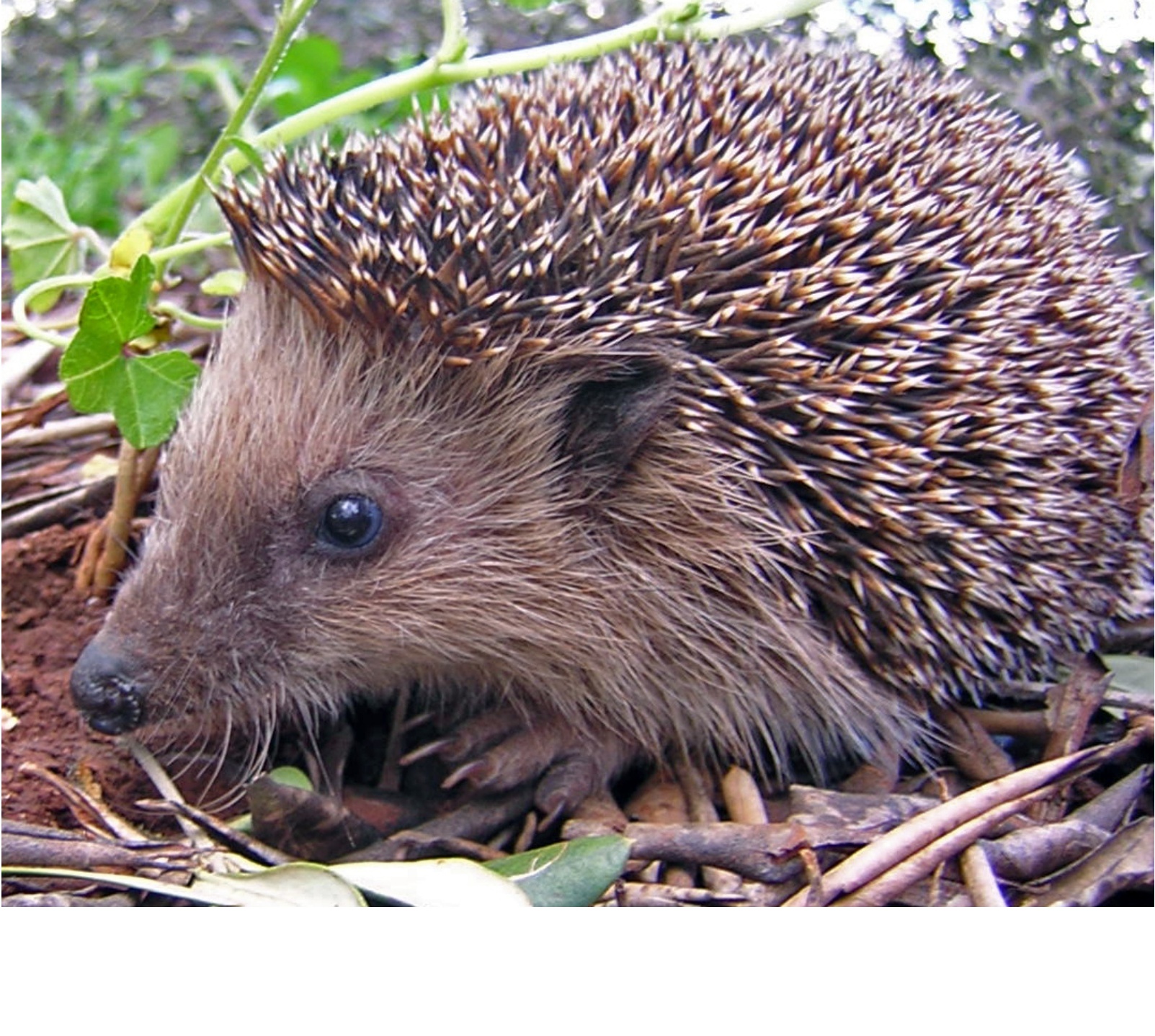
To mark Hedgehog Awareness Week – between May 2 and 8 – Langdyke member Angela Trotter has written this article about how ways we can all help to encourage our little spiky friends …
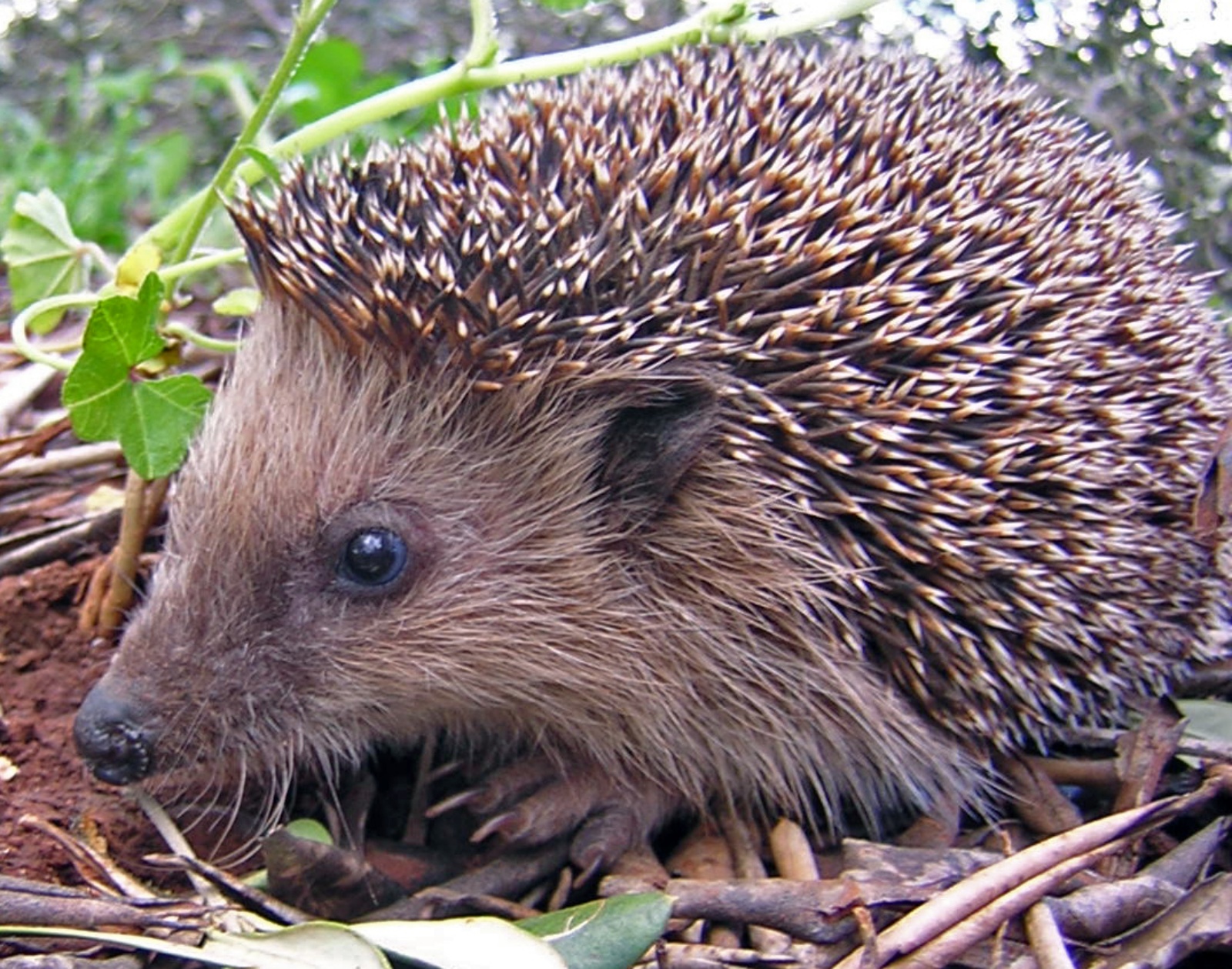
In July 2020, hedgehogs were included in the Red List for British mammals, classed as vulnerable to extinction. This is so sad for these beautiful creatures, but it is not too late to act to save them.
The hedgehog is known as the gardener’s friend. They eat slugs, beetles, caterpillars, etc and cause no harm to gardens. If you have hedgehogs in your garden, why not encourage them?
You can do this by putting out a saucer of food, such as meat-based cat or dog food, dried kitten food, or specialist hedgehog food. It’s a good idea to put out a bowl of water, particularly in dry spells.

If you are worried about other animals eating the food, it is easy to create a hedgehog feeding station: simply cut a 13cm square opening in the end of an upturned plastic storage box, and put the food and water inside.hedge
Alternatively you can just use a couple of bricks and a piece of wood or an old stone slab – similar to the one in the picture on the left.
You might think of the garden visitor as ‘your’ hedgehog, but it is worth remembering that hedgehogs roam and forage over a wide area – up to a mile and a half. ‘Your’ hedgehog family will almost certainly be your neighbours’ hedgehog family too.
Creating a hedgehog highway between gardens is helpful: a 13cm square hole in a fence or wall is big enough for a hedgehog, but small enough to prevent most pets getting through.
Hedgehogs are nocturnal creatures, so if you see one out during the day, this is always a sign that there is something wrong. Please use gardening gloves to gently pick it up and put it into a high-sided box, with old towels or clothing to keep it warm. You can contact the British Hedgehog Preservation Society, or a local hedgehog rescue centre or vet, who will be able to offer assistance.
You can ensure that your garden is wildlife friendly. Log piles, wild areas and compost heaps all offer shelter and encourage natural food supplies, for hedgehogs and other wildlife.
Whilst a garden should be a safe place for hedgehogs, it can also hold many hazards.
A pond is an asset in a wildlife garden, but can be a death trap for small mammals. Ensure that there are several gently sloping slipways around the edge of the water to enable animals to escape if they fall in. Or hang a piece of chicken wire over the edge, to allow hedgehogs to scramble to safety.
Please check areas before mowing or strimming, and before using your compost, don’t forget to check it gently for sleeping wildlife. And please don’t use slug pellets, pesticides and poisons in your garden – these can kill hedgehogs and, at the very least, cause damage to their food chain.
If you are interested in learning more about helping hedgehogs, The British Hedgehog Preservation Society has lots of information and online resources. They also organise Hedgehog Awareness Week each year, which aims to highlight the problems hedgehogs face and how we can help them.