Work to keep our reserves in tip top condition goes on throughout the year, but as Eastern Reserves manager David Cowcill reports, the autumn months are particularly important
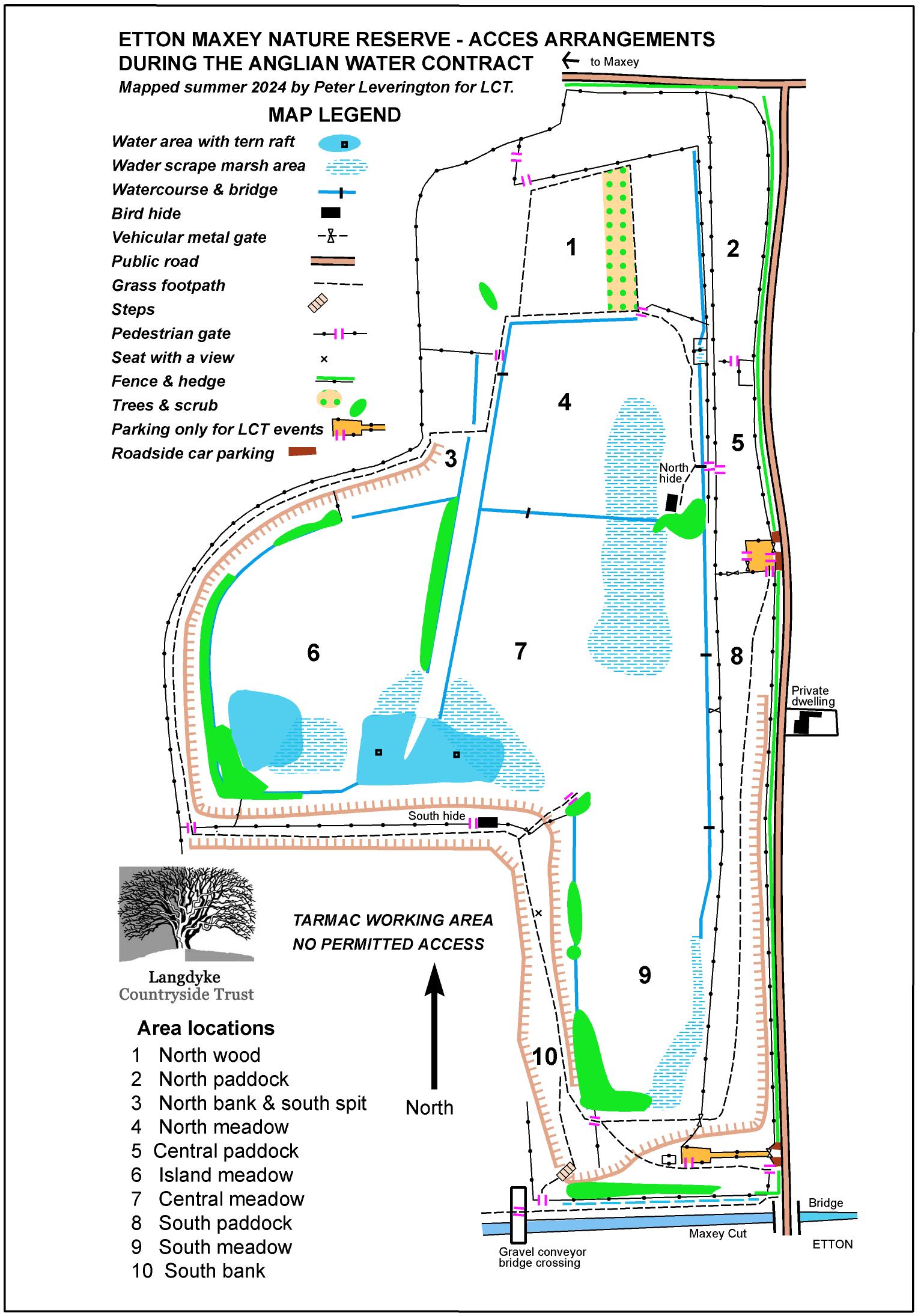
I am very pleased with how the Etton Maxey Pits reserve (to view click the main image above) has developed over the year and the condition going into winter 2024/5.
There is a definite increase of flowering plant varieties in the meadows, evidenced by the changing species throughout the year with (but not exclusively) wide coverage of Ox-eye Daisy, Pyramidal Orchids, Red Clover, Yellow Vetch, Red Bartsia, Tansy, and recently the site-wide display of Wild Carrot.
Most of them are prolific pollinators, supporting lots of invertebrates which support a wider variety of birds – and so on up the natural food chain. At a more specific level Sarah Lambert also found many interesting and some locally rare species in the north scrape.
The grassland management has to be fitted mainly into an eight week window from mid-August when bird nesting has finished through to mid-October when the reserve becomes too wet in parts.
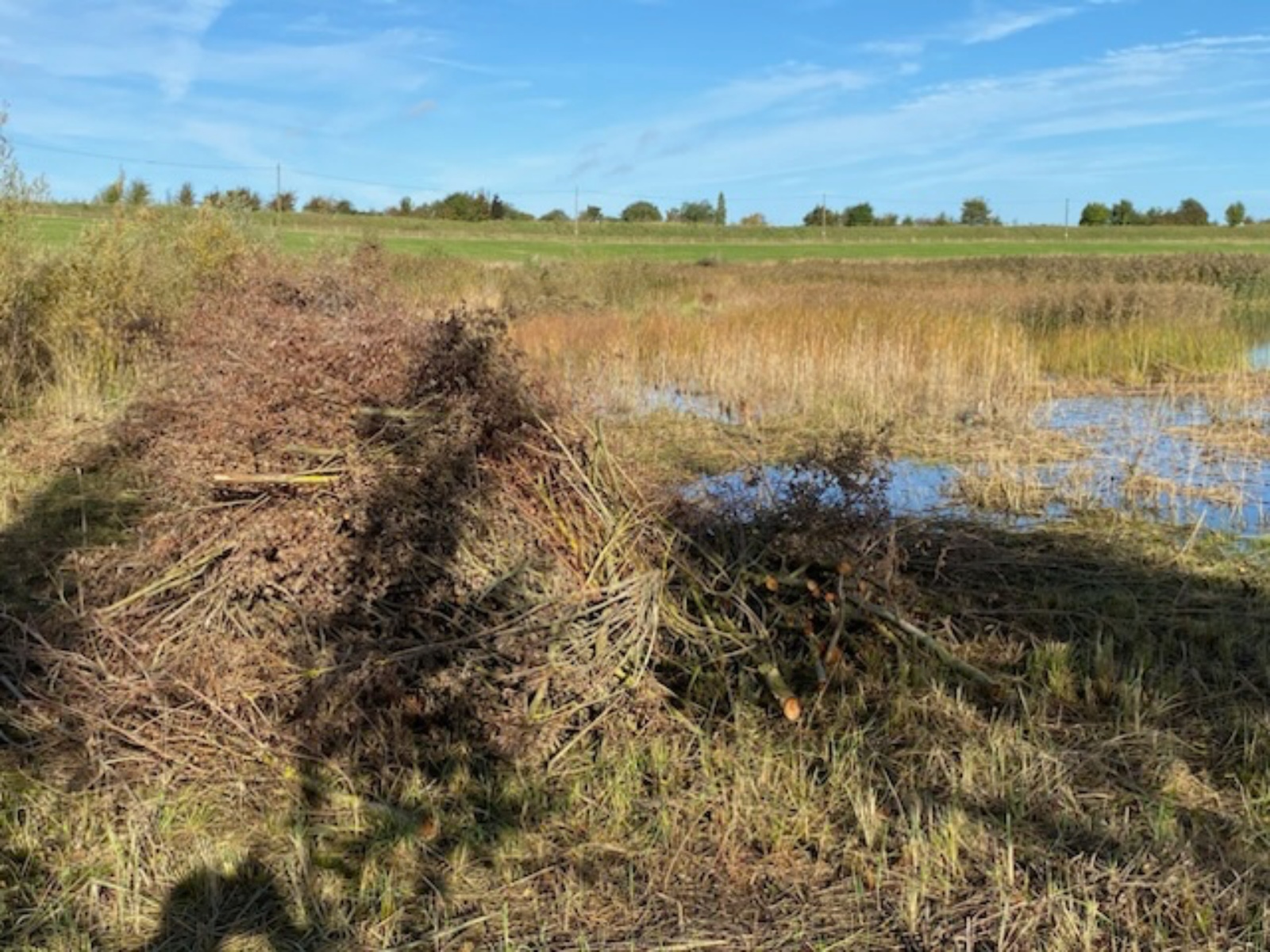
There are effectively fourteen separate pockets of land, which have been been managed in a variety of ways to encourage diversity across the site. This needs different cutting gathering and grazing regimes – from none at all, to close cropped and gathered early (giving rich green grassland going into Autumn) to flailed and mulching on the wet meadows, to a late cut after seeding (North Wood East and North Paddock) and is assisted by grazing by sheep or cattle or none at all, and finally not to forget the once-a-year ploughed area. On the larger pockets it has been possible to create less uniformity within each plot – eg the haymaking does not cover all the banks, the flailing does not cover all the wet meadows, and the scrub/woodland areas are left to develop on a much longer timescale.
The final part of the jigsaw is the management of the trees and emergent scrub.
Apart from the few defined woodland areas, generally anything too tall is undesirable for ground nesting birds – there are lots of predators happy to use the look-out posts.
So for the last few weeks the Monday volunteers have been removing willow and more recently alder growth (spread by seeding, ably assisted by mini-flocks of Goldfinch working the fruit cones).
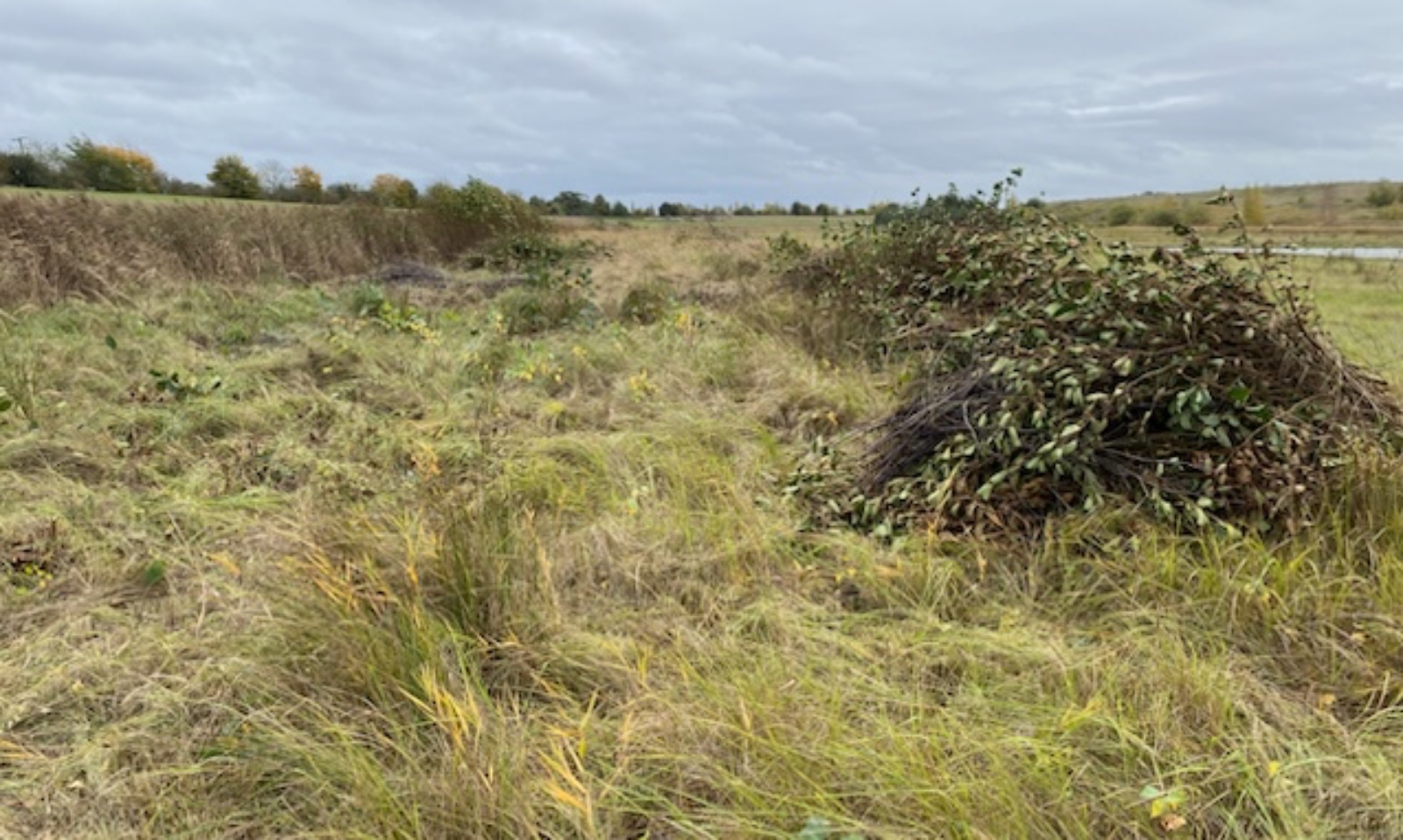
As always there is a balance here – the alders create a specific habitat and natural population but come with side effects we don’t want – eg soil enrichment and shading of the open meadows. For further study please see:- https://www.woodlandtrust.org.uk/trees-woods-and-wildlife/british-trees/a-z-of-british-trees/alder/
The reward for all this will be seen next summer – hopefully a more successful breeding bird season, lots of invertebrates and a lively display of wild flowers – depending on the weather of course!
How you can volunteer to help us